Technique & Everyday Craft
The $2 Croissant Hack That Tucks a Whole Magnum Bar Inside
A warm, hollowed croissant stuffed with a Magnum bar is the summer snack taking over social media — here's how to make it, where it started, and how to remix it.
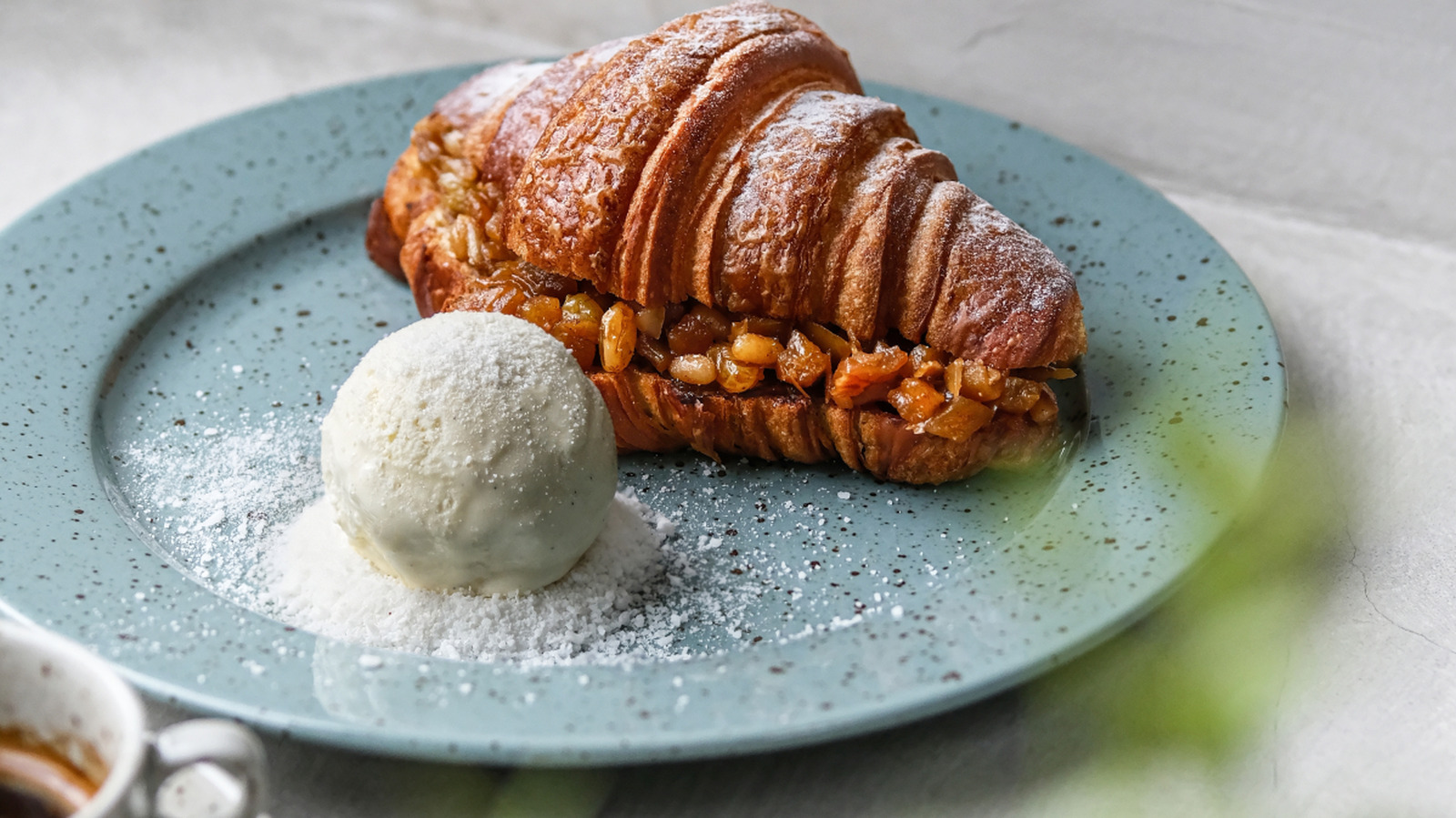
The Italian Roots of the Magnum Croissant
The Magnum Croissant may seem like a social media invention, but its origins go back to an Italian patisserie in Naples called Cip e Ciop. Naples is celebrated for its pastry traditions, from sfogliatella to rum babà, and it was there that the idea of pairing a croissant with a Magnum bar first caught attention, earning a spot in a Reddit thread years before going viral. This hack actually draws on a long-standing Italian custom of combining pastries with ice cream: the cornetto col gelato, a sweeter, softer version of the French croissant, is an everyday breakfast staple in Italian cafes, especially in summer. Sicilians take it further with brioche col tuppo, a hat-shaped roll served with granita, which happens to be Giada de Laurentiis' favorite morning treat. The Magnum Croissant takes these classic traditions and repackages them for the social media age, making an old-world pleasure accessible to anyone.
Which croissant and ice cream bar should I use for the best result?
The standard viral recipe uses a classic butter croissant and a Magnum chocolate almond bar — that's the combination German influencer Anna Antoje featured in her July 20 video, which became the template for the trend. For the ideal contrast between warm pastry and cold ice cream, warm the croissant in an air fryer or a pan for a few minutes until the exterior crisps while the inside stays soft. Then scoop out just enough dough to hold the bar snugly. Antoje's version, which she hollowed out and inserted the bar stickless, earned a comment from the Magnum Ice Cream account calling it "Invention Of The Summer." Any chocolate-covered bar works, but the Magnum gives that clean snap against the flaky croissant.
Where did the Magnum Croissant trend actually come from?
The Magnum Croissant didn't emerge from nowhere — it's a remix of a long-standing Italian breakfast habit. In Naples, the patisserie Cip e Ciop has served a pastry-and-gelato combination for years, and the city's tradition of cornetto col gelato — a sweet, soft Italian croissant filled with gelato — is a summer staple in cafés across the country. Sicilians take it further with brioche col tuppo, a round hat-shaped bun, dipped into granita; chef Giada de Laurentiis counts it among her favorite morning treats. The viral hack itself traces to Thai content creator @farmiscooking, who first inserted a classic Magnum into a shio pan, a Japanese salt-and-butter roll, before Anna Antoje swapped in a croissant and made the version that caught on.
Can I use other ice cream bars or flavors besides Magnum?
Yes — the trend is built for customization, and TikTokers have already swapped in a range of bars. Some used Dubai-style chocolate bars, others tried strawberry cheesecake ice cream bars, and creator @spotsbyjp experimented with a peanut ice cream cone. Magnum's own specialty flavors work well too: pistachio adds a nutty richness, and mint chocolate gives a fresh, After Eights-like kick. The technique stays the same — hollow out the croissant, remove the stick, insert the bar — but the flavor pairings change entirely. The only real requirement is a bar with a thick chocolate coating that can hold its shape when pushed into the pastry. If you want to go beyond the classic, those alternatives are all tried and approved by the trend's followers.
Variations and Add-Ons to Upgrade the Hack
The basic Magnum Croissant requires only a warm croissant and a Magnum bar: scoop out a little of the interior, remove the stick, and slide the bar in. But the twist comes with the many ways to customize it. Magnum's specialty flavors offer the easiest upgrade—pistachio adds a nutty richness, while mint chocolate brings a cool After Eights-like freshness. You can also spread a dollop of honey, Biscoff, or Nutella inside the croissant before inserting the bar, each bringing a different character: Biscoff lends a cinnamon-toasted depth, and Nutella amplifies the chocolate. The entire assembly takes minutes and works with any croissant that has enough structure to hold the bar without tearing. Whether you stick to the original or experiment with flavors, the treat is forgiving and delicious—there is no wrong way to put it together, and the simplicity is part of its charm.
Why the Magnum Croissant Is a Budget-Friendly Indulgence
One of the most surprising aspects of the Magnum Croissant is how cheap it is to create a dessert that tastes far more decadent than its price tag suggests. For just over $2, you can assemble one at home, especially if you use Costco's popular 12-pack of croissants, which brings the cost per serving down even further. Commentators have noted that the combination of flaky, buttery pastry and cold, creamy ice cream produces a flavor and texture that rivals expensive restaurant desserts. This accessibility is exactly what fueled its viral spread: anyone can replicate it in their own kitchen without special equipment or skills. The fact that the Danish ice cream company itself posted a version of the recipe only added official credibility, but the real draw is that a luxurious-tasting treat can be yours for spare change.
How much does it cost to make a Magnum Croissant at home?
The cost shakes out to roughly $2 per serving if you shop smart. A dozen croissants from Costco's popular 12-pack run about $1 each, and a standard Magnum bar is typically available for $3 to $4, though often on sale. That's a fraction of what you'd pay for a similar dessert at a café. The exact price depends on your grocery store and chosen brand — a specialty Magnum like pistachio will push it slightly higher, and an artisanal croissant from a bakery will cost more than the Costco pack. But even with premium ingredients, it stays well under $5. The recipe's affordability is one of the reasons it spread so fast, making a decadent-tasting dessert accessible as a last-minute snack.