Produce & Pantry
9 Watermelon Storage Rules That Preserve Texture and Flavor
Whole melons can sit in a cool, shady spot; cut pieces go straight into covered containers in the fridge, with the rind washed first. Write the cut date on the lid, freeze cubes for smoothies, and avoid the most common mistake—leaving cut watermelon out on the table.
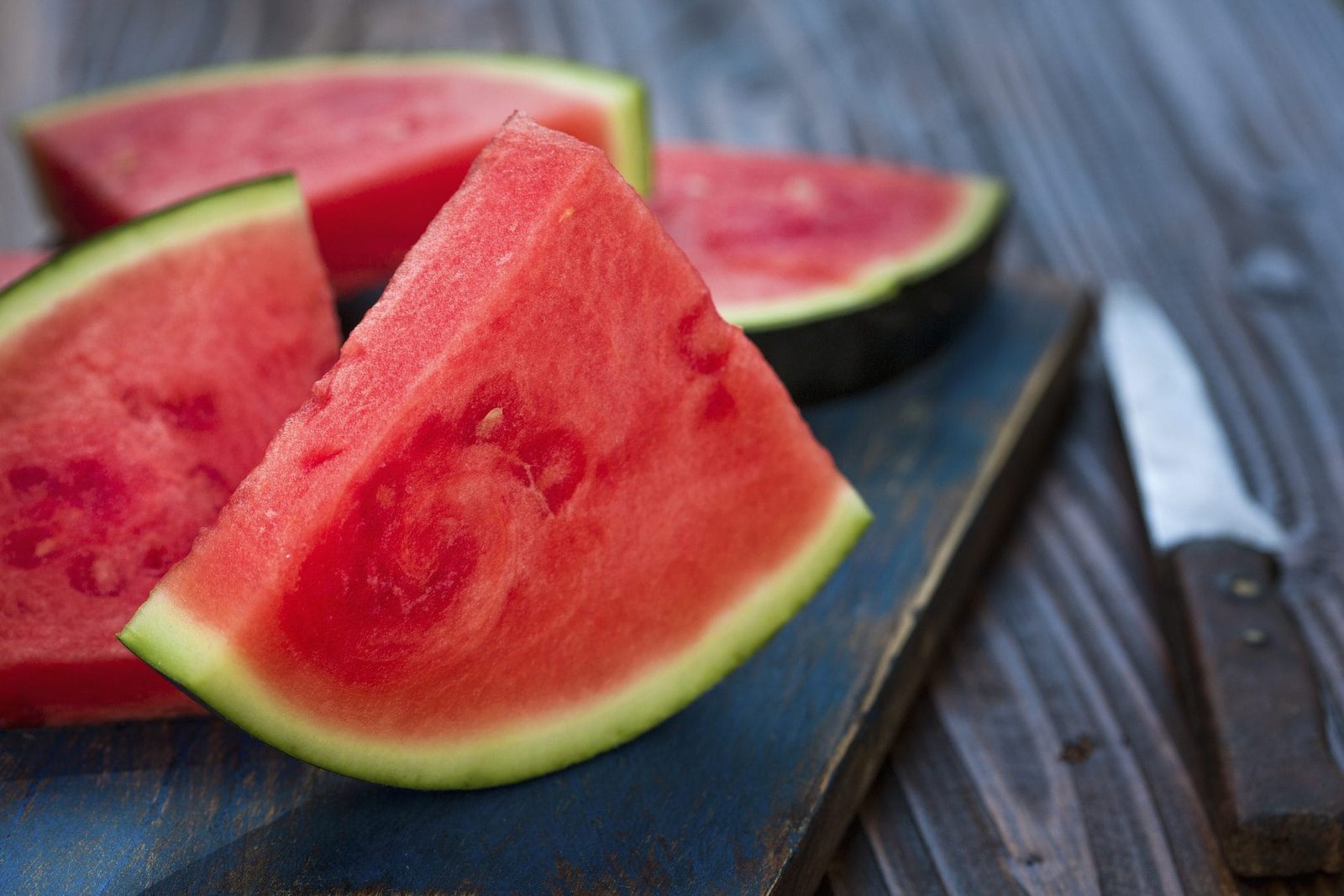
Whole watermelons can sit outside—but only in a cool, shady spot
An uncut watermelon does not automatically need the refrigerator. It can be kept in a cool, dry place away from direct sunlight, such as a pantry, a cellar, or a shaded counter. The rind acts as a protective barrier, keeping the flesh safe from external contaminants as long as the fruit remains whole. For that reason, you don't need to rush to chill it. If your home is warm or you simply want to serve it colder, the fridge is a fine option, assuming you have space. In practice, store it in the coolest part of the house, away from windows or heat sources. If you choose to refrigerate a whole watermelon, it will also become pleasantly cold for serving. The key is to keep it intact; once broken, the storage rules change dramatically. So for now, enjoy the flexibility: a whole melon is low-maintenance, but always prioritize a cool, shaded location to preserve its quality.
Cut watermelon goes in the fridge immediately—and the cut surface must be covered
The moment a watermelon is sliced, the exposed flesh is open to air, bacteria, and odors from other foods. The research is clear: cut watermelon must be refrigerated. It does not matter if you only cut a small wedge or a whole half—the exposed part needs protection. Cover the cut surface tightly with a food-safe container or plastic wrap before putting it in the fridge. Leaving the pink flesh uncovered even for a short time is a common mistake. The protective rind is gone, so the sugar-rich moisture becomes a magnet for microbes. Refrigeration slows that growth, but a bare surface still transfers smells and can dry out. The rule: cover first, then chill. If you are storing a half-melon, place it cut-side down on a clean plate or wrap the entire flat face with cling film. A lid or wrap keeps the flesh from touching other items in the fridge and prevents it from picking up odors.
Cubed and sliced watermelon belongs in a closed, clean container—and cut only what you'll eat
Once watermelon is reduced to cubes or slices, the surface area multiplies, and each exposed face is a potential entry point for spoilage. Transfer those pieces into a clean, lidded container and put it in the fridge promptly. A closed container protects the fruit from contact with other foods and limits quality loss. Cut only the amount you plan to consume; leaving the rest of the fruit intact keeps that portion protected by the rind. Prepping a whole watermelon into a big bowl for a picnic might seem convenient, but cut pieces have a shorter life. So, slice a few servings at a time, store them in a sealed container, and return the container to the fridge right after taking out what you need. Avoid leaving the container on the counter for prolonged periods.
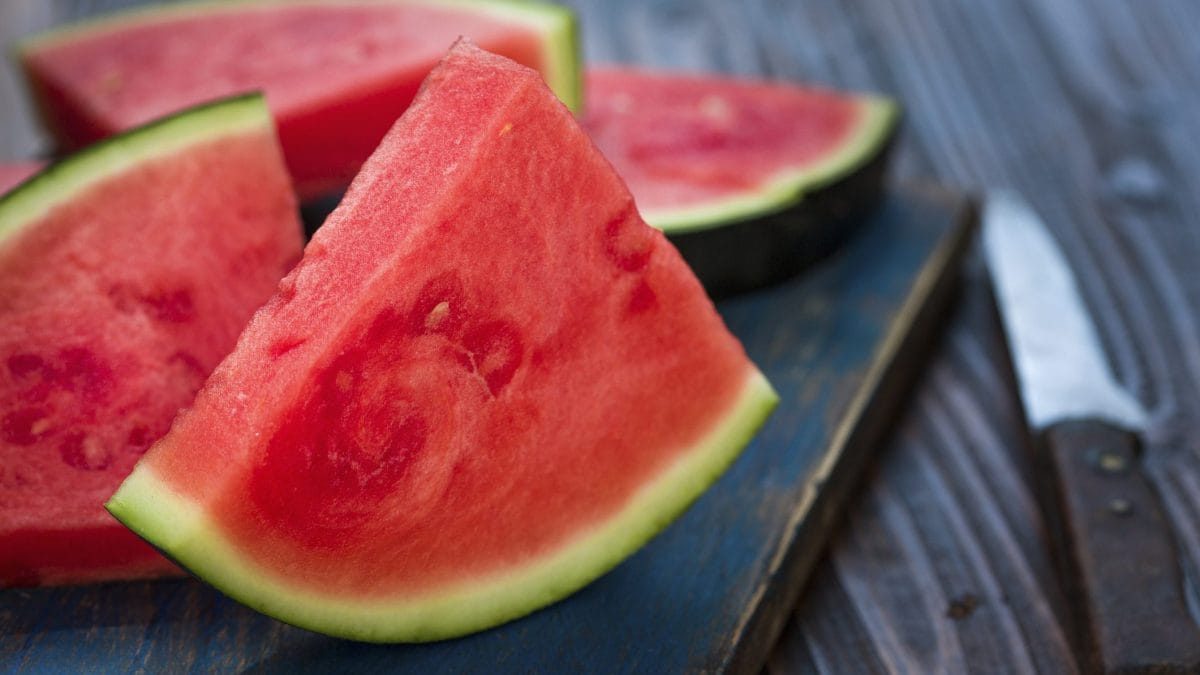
Cut watermelon lasts only a few days—write the cut date on the container
Cut watermelon should not be forgotten for many days in the fridge. The exposed flesh is no longer shielded by the rind, so it quickly begins to lose consistency, aroma, and overall quality. To keep it at its best, plan to eat it within a few days—not a week. A simple habit that helps: write the cut date on the container immediately after storing it. That way, you always know how long it's been sitting. Before serving, inspect the fruit carefully. Look for visible changes in the flesh, smell for any unusual odor, and feel the texture. If it seems very different from when it was cut, or if any of these signs appear, discard it. The date label takes the guesswork out of that decision and prevents accidental food waste. It's a small step that makes a big difference in getting the most out of your watermelon.
Wash the rind before cutting—even though you don't eat it
The research flags a step that is easy to skip: rinsing the outside of the watermelon before you slice into it. The reasoning is mechanical. The knife blade cuts through the outer rind first, then immediately enters the flesh. If the rind carries dirt, bacteria, or pesticide residue, the blade transfers those contaminants straight into the edible part. A thorough wash under running water, rubbing the surface with your hand or a clean brush, removes most of that risk. The same logic applies to the tools: use a clean knife and a clean cutting board. If the same board previously held raw meat or other produce, the knife could pick up cross-contamination. This is especially important because watermelon is often served raw and chilled. A simple rinse of the rind takes ten seconds but can prevent an upset stomach. The research emphasizes that even if the rind is never eaten, it is the gateway to the fruit, and the cutting process is what makes the difference.
Store cut pieces in the main fridge, not the door—and don't open the container repeatedly
For cut watermelon pieces, closed containers are non-negotiable. They protect the fruit from absorbing odors and flavors from other foods in the fridge, and they limit the loss of moisture and quality. Choose a container that fits the amount you have, so there's less air space. Once it's in the fridge, don't open it more than necessary. Every time you do, cold air escapes and warm air rushes in, raising the temperature inside and speeding up spoilage. Instead, take out the portion you're going to eat, close the lid immediately, and put the container right back. This simple routine keeps the fruit at a constant, cold temperature and preserves its texture and taste for as long as possible. It's a small habit that makes a real difference over a few days.
Freezing watermelon works, but expect a softer texture—ideal for smoothies
Freezing is a valid option, but the research is upfront about the trade-off. Because watermelon is mostly water, the ice crystals rupture cell walls during freezing, and the thawed flesh becomes mushy and releases liquid. So, don't plan on eating frozen watermelon chunks straight from the bag—they won't have that crisp crunch. Instead, the research points to smoothies and cold drinks, where texture matters less. The method is straightforward: cut the watermelon into cubes, remove rind and seeds (if you prefer), and freeze the pieces in a single layer on a tray before transferring them to a freezer-safe container. Freezing them separately first prevents them from clumping into a solid block. Once frozen, they can be stored for months. The research does not give a specific freezer duration, but the technique of pre-freezing is the named step that ensures you can easily grab a handful. The result is a convenient ice-cube-like addition to a blender, or a way to rescue a surplus watermelon that you won't finish in a few days.

The simple rule: whole outside, cut in fridge—and summer heat changes the math
The storage rule is simple: whole watermelons go in a cool, dry spot; cut ones must be refrigerated. That's the baseline. But summer changes the calculation. When the temperature in your home rises—especially in apartments without air conditioning—the fridge becomes the better choice even for a whole melon. Chilling it not only keeps it fresh but also gives you a refreshingly cold serving. So treat the rule as a guideline with a built-in exception: heat overrides the 'cool place' instruction. If you don't have a cellar or a shaded pantry, the fridge is the safe fallback. The biggest mistake to avoid is leaving a cut watermelon on the table for hours. What separates whole from cut is the rind: whole keeps its protection, cut exposes the flesh, and that exposed flesh must stay refrigerated and covered to keep its quality.
The biggest mistake: leaving cut watermelon out on the table for too long
Leaving already-cut watermelon sitting at room temperature for extended periods is a common mistake. It's easy to do at a barbecue or after a meal—the platter stays out while people serve themselves, and half the pieces sit there for an hour or more. No specific time limit exists, but the warning is clear: do not leave cut watermelon on the table for a long time. The safe habit is to return the platter to the fridge as soon as you're done serving, or to put out only a small portion and keep the rest chilled. If you're entertaining, set out a modest plate and refill it from a covered container in the fridge. This simple adjustment prevents waste and keeps the fruit safe.