Technique & Everyday Craft
Five Tropical Cocktails That Deserve More Than a Footnote
From a 1940s Daiquiri with Chartreuse to a milky rum classic, these rarely mixed drinks carry real history and a craft worth learning.
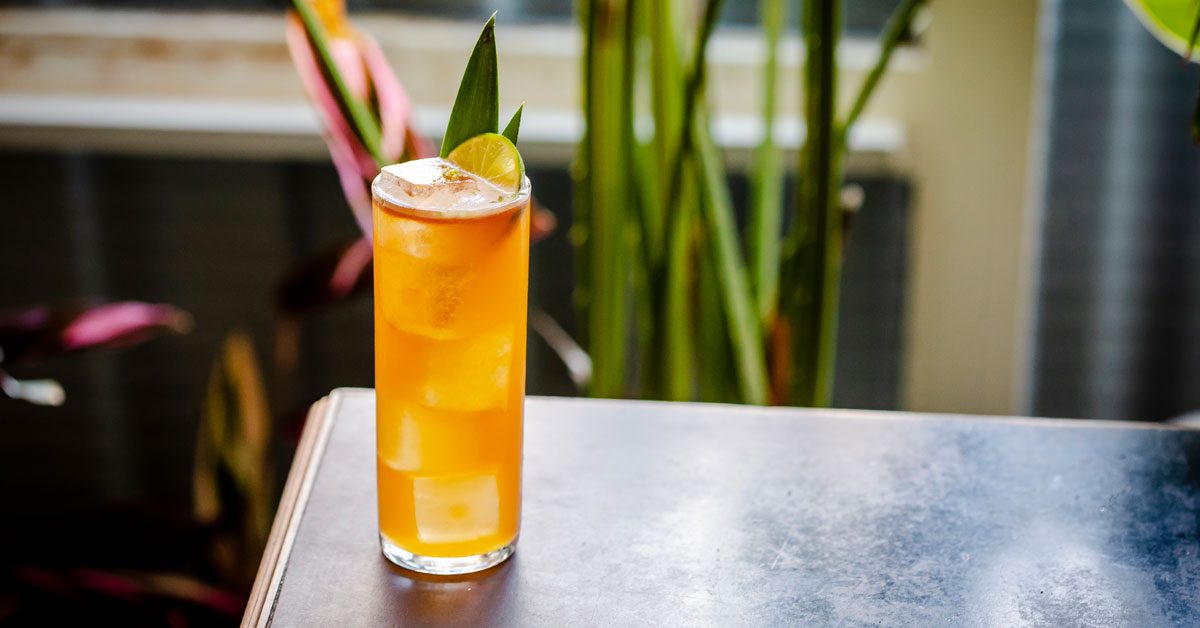
A Daiquiri Offshoot Born in the 1940s
The Pago Pago looks like a Daiquiri but behaves like a tiki drink, and its creation is traced to the rum brand Ronrico in the 1940s. The recipe appears in the second edition of Hyman Gale and Gerald F. Marco's The How and When, combining rum, lime, Chartreuse, and crème de cacao. Paul McGee, who revived it at Echo Lake, points to the dual citrus and layered flavors as Donn the Beachcomber's signature. “It's so approachable, yet, if you look for it, you find the layers,” McGee says. The drink's name borrows from the capital of Samoa, but it skips the garden of garnish. Instead, a precise balance of sweet, herbal, and tart does the work. For rum nerds, a splash of Chartreuse shifts the mouthfeel; for newcomers, it's an easy step into more complex mixing. McGee's version keeps the original proportions but adjusts for modern lime acidity. The result is a cocktail that rewards a second sip.
The Philippines' Answer to the Singapore Sling
Long before the Singapore Sling became a cliché, the Philippines had its own gin-and-pineapple cocktail named for a boxer. Francisco Villaruel Guilledo, known as Pancho Villa, was a flyweight champion in the early 20th century, and the drink that bears his name mixes gin, pineapple juice, fruit liqueurs, and a measure of gold rum that sets it apart from its Singaporean cousin. When Manila-born bartender Marlo Gamora encountered the original recipe, he found it “not balanced at all.” His adaptation skews more rum-forward, adds acid, and drops the olives that sometimes accompanied the old version. Gamora recommends pairing it with lumpia—Filipino spring rolls—rather than anything savory. The cocktail has the same bright, fruity shape as a Sling but with a silky rum backbone that makes it feel more tropical than colonial. It's a drink that deserves a spot on tiki menus beyond the Philippines.
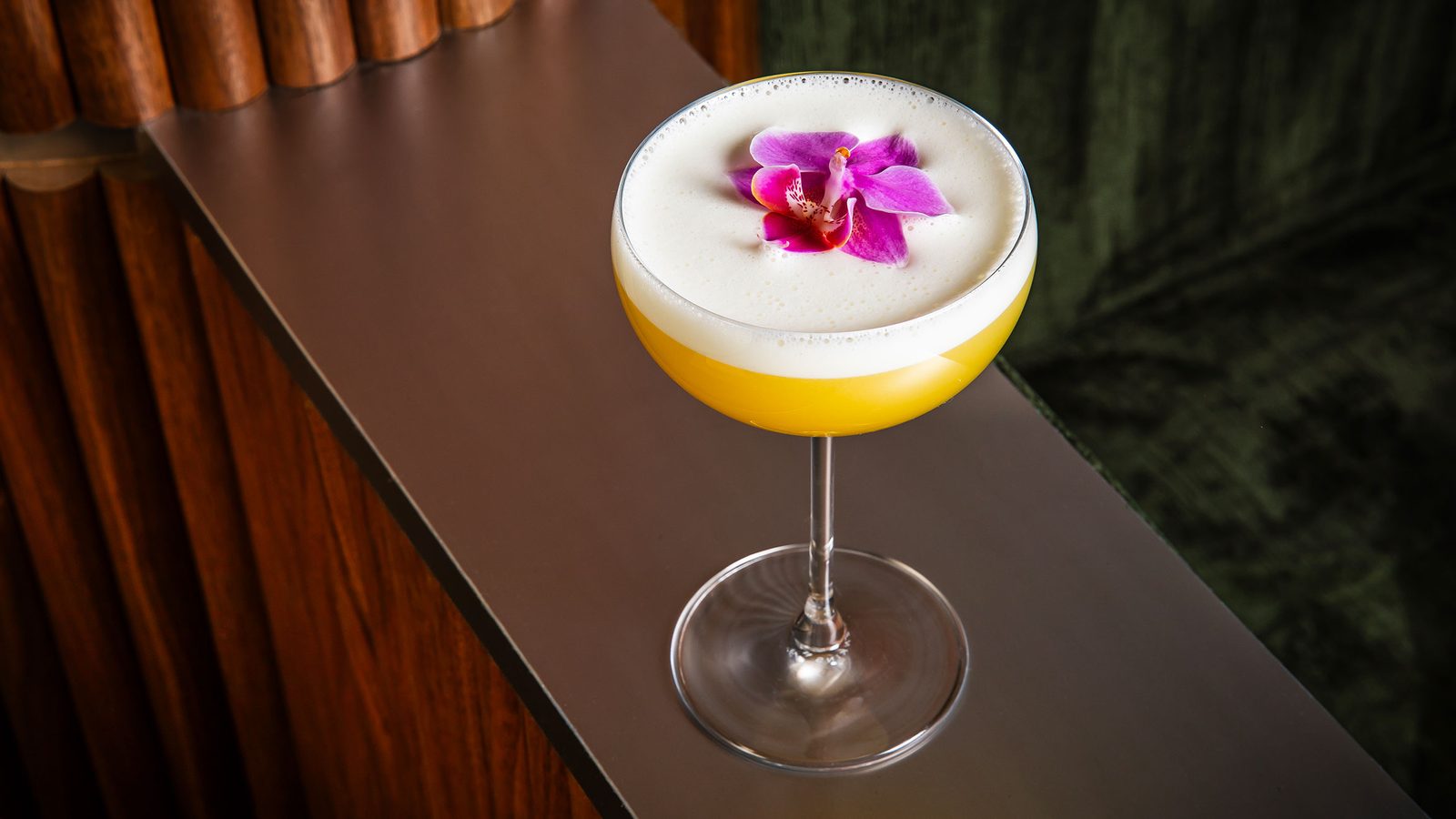
When Fernet Meets Banana and Añejo Rum
The Away Colors came out of New York's now-shuttered Lion Lion bar, and it's a hybrid that shouldn't work: añejo rum, Fernet-Branca, and banana liqueur. The dark, bitter profile of Fernet usually clashes with tropical fruit, but here it gets tamed by the rum's caramel notes and the banana's ripe sweetness. The drink is a rare bridge between digestivo culture and beach bar fare. It's not a tiki cocktail in the classic sense—no juice or syrup—but it carries the same spirit of balancing opposing forces. Since Lion Lion closed, the Away Colors has turned up on menus from Brooklyn to Tokyo, often served over a large rock. The key is using a banana liqueur that's not too artificial; the original bar paired a French crème de banane with a Colombian añejo. The result is a short, bracing drink that works as an aperitif or a nightcap, proving that tropical drinking can be brooding and bright at once.
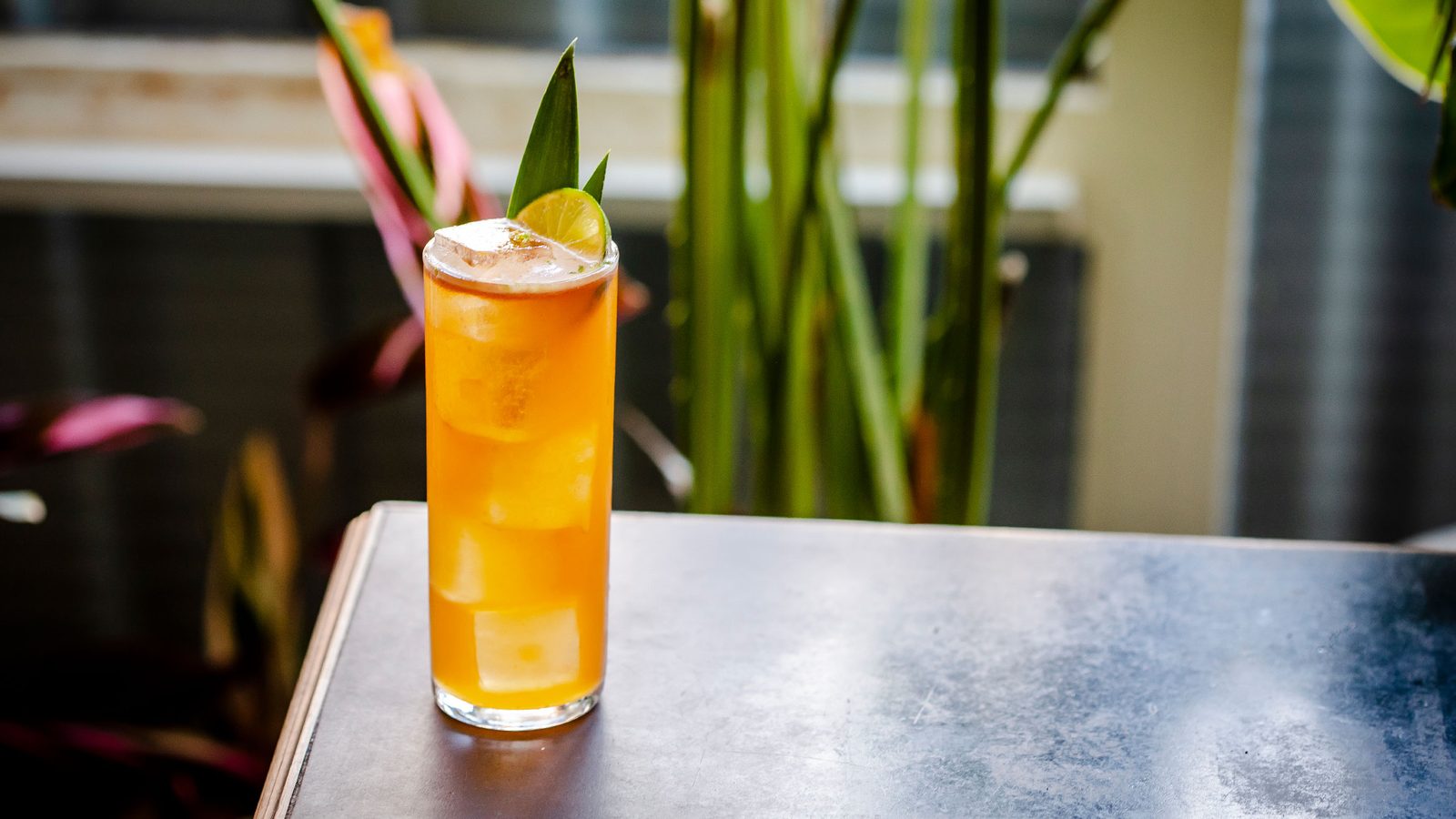
The Original Cuban Cocktail, Before the Mojito
The Canchánchara, made from aguardiente de caña, honey, lime juice, and water, is a simple cocktail. Created by guerilla fighters during the Cuban Wars of Independence, it originally served as a restorative for enslaved people working on plantations. According to Cabrera, it is 'the original Cuban cocktail.' His riff, La Chancleta, uses cachaça and a ginger-infused honey syrup to put a spicy spin on the template.
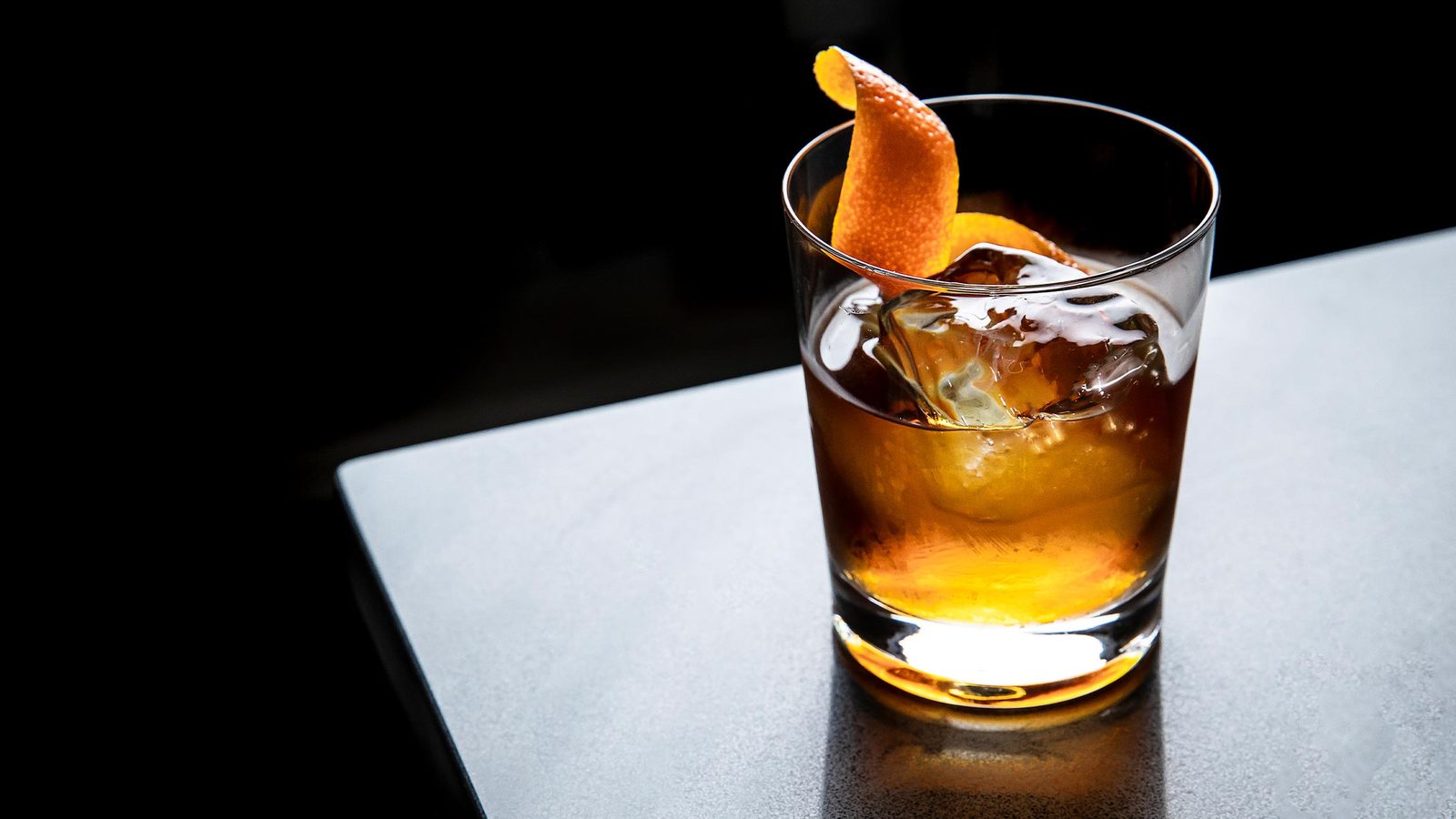
Tiki's Forgotten Dairy Side
Tiki bars in the mid-20th century weren't all citrus and fruit juice—they also served dairy-laden desserts like the Banana Cow, a mix of rum, brandy, Bénédictine, banana, and cream. That tradition nearly vanished, but New York bartender Jelani Johnson has revived it with his Rum Cow. His version splits the rum base between four different expressions and adds two syrups and two types of bitters, turning the simplest recipe—rum, milk, and sugar—into a maximalist construction. Johnson acknowledges that guests are skeptical until they see the milkshake glass it arrives in; then everyone wants one. The Rum Cow is a reminder that tropical drinking has always been willing to borrow from dessert, and that cream can carry a rum's funk as well as any pineapple juice. For a style that prides itself on balance, the Rum Cow tips heavily into indulgence—and it works.