Technique & Everyday Craft
Why Your Fourth Drink Isn't Free Anymore
Once a near-guaranteed perk at American bars, the buyback has faded under credit-card fees, social media, and tighter margins — but bartenders are finding new ways to pour for their regulars.
The Fable of the Fourth Drink
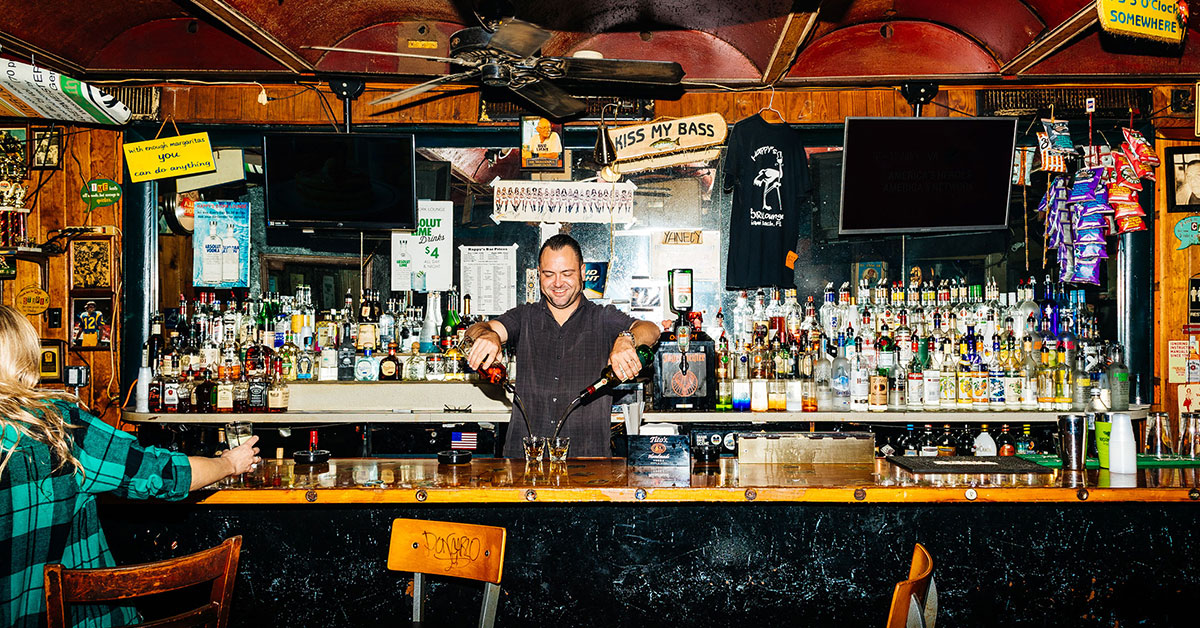
For nearly a century, the buyback — a drink on the house for a well-liked regular — was as American as the shot-and-a-beer. The practice dates back to the repeal of Prohibition, when bars used a free pint or a complimentary Gin & Tonic to cement loyalty in a newly legal market. By 1999, though, news outlets were already asking whether shrinking profit margins and falling bar patronage had killed the gesture. The legend persisted strongest in New York City, where bartender Rick Paulas, now at Oak & Iron in Brooklyn, first heard the promise from friends who'd worked in Manhattan: “If you go there and get three drinks, the fourth one is for free.” That fable, he says, is what drew him into the trade — and what he now watches unravel.
The Math of the Free Pour
Behind the bar, the economics turned hostile long before the trend died. Mike Sternfeld, who has worked at Shenanigans Pub in Kensington for nearly two decades, remembers the old register at Freddy's Bar — demolished in 2010 to make way for the Barclays Center — which had just three keys: liquor, beer, and buybacks. In that cash-heavy era, roughly 10 percent of a bartender's daily ring was expected to be comped drinks. Then credit-card processing fees and point-of-sale software from companies like Toast and Square ate into the bottom line. “It costs more to do the commerce, so there's less room for freebies,” says Sternfeld. A cash buyback left customers with more money in their pocket to tip; a credit-card freebie only shrinks the subtotal, cutting the gratuity that's calculated from it.
When the Secret Got Out
The buyback's mystique depended on being unspoken — an if-you-know-you-know transaction between bartender and regular. According to Paulas, social media shattered that. “It kind of went away when all the secrets became not-so-secret anymore,” he says. Once drink-tok and Yelp threads broadcast the rules, the gesture became a demand, not a gift. Now he gives free drinks only on “vibes based” sales days, never on a fixed cadence. At Rainbo Club, the legendary Chicago dive, bartender Matt Grimm has a hard line: “If you ask for one because 'it's my birthday' or 'it's my friend's birthday,' you're not getting it.” The entitlement, he says, is the fastest way to kill the goodwill the free drink was supposed to build.
The New Currency of Hospitality
With the traditional buyback off the table, bars have improvised cheaper, more deliberate rewards. Rainbo Club invites regulars to its annual Kentucky Derby party, where the drinks flow free and a backyard potluck follows. At Home Sweet Home in Richmond, one bartender keeps a “prize bucket” stocked with dollar trinkets — heart-shaped sunglasses, finger puppets, lipgloss — to hand out to sociable patrons. The Jasper, the city's cocktail bar where Erin Gerety also works, offers a flat 20 percent friends-and-family discount and pours pre-bottled shooters for industry staff. For Sternfeld, the real value is in the intangible: “It's really personality management,” he says, “trying to get all these strangers to socialize and make that comfortable enough to get a better tip and keep them coming back.”