Technique & Everyday Craft
How to Assemble an Easter Candy Board That Looks as Good as It Tastes
Build a festive Easter dessert board with store-bought treats, smart layering, and a few variations for health, allergies, and other holidays.
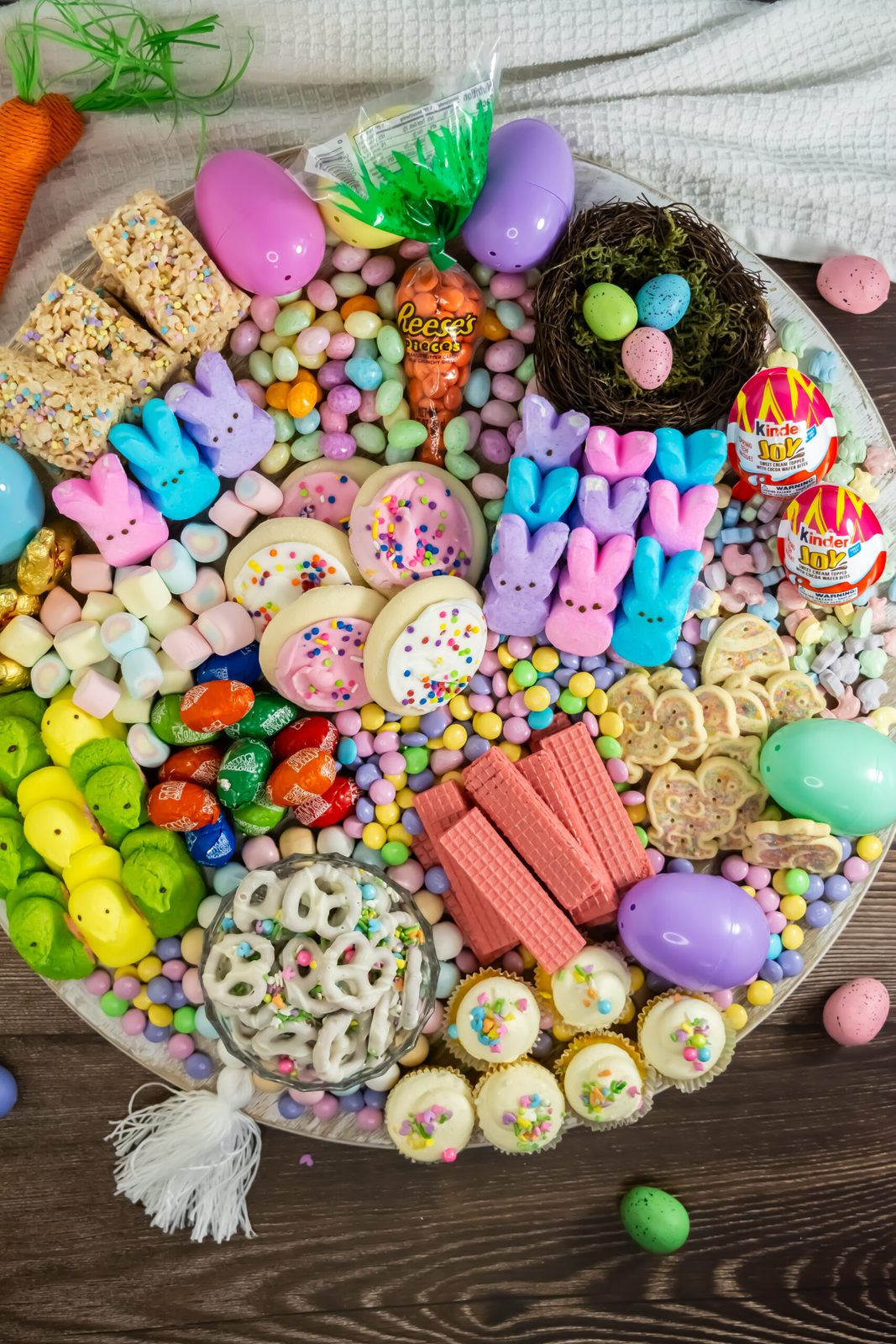
What exactly is an Easter candy charcuterie board?
An Easter candy charcuterie board is a no-bake dessert spread that replaces the meats and cheeses of a classic charcuterie board with a colorful arrangement of pastel-hued candies, cookies, and chocolates. It is designed as a centerpiece for holiday parties, and you assemble it on any large tray or wooden platter. The process begins by selecting your board and gathering a variety of Easter-themed sweets. Start by placing larger items—such as a Lindt chocolate bunny or Easter-decorated mini cupcakes—to establish a visual foundation. Next, fill in medium-sized treats like pastel sugar cookies, strawberry wafer cookies, and rainbow marshmallows around those anchors. Finally, use small candies like jelly beans, Easter M&M's, and Sweet Tart Easter candies to fill any gaps and create a full, abundant look. The appeal is that it requires zero cooking—purely shopping and arranging—and you can scale it to any gathering size. It turns store-bought treats into a festive, Instagram-worthy display, and it's a great way to use up leftover Easter basket candy. This board is also fully customizable, allowing you to mix and match your favorite sweets or any items that fit the Easter and pastel color theme, making it a flexible option for any celebration.
What are the best candies to include on an Easter board?
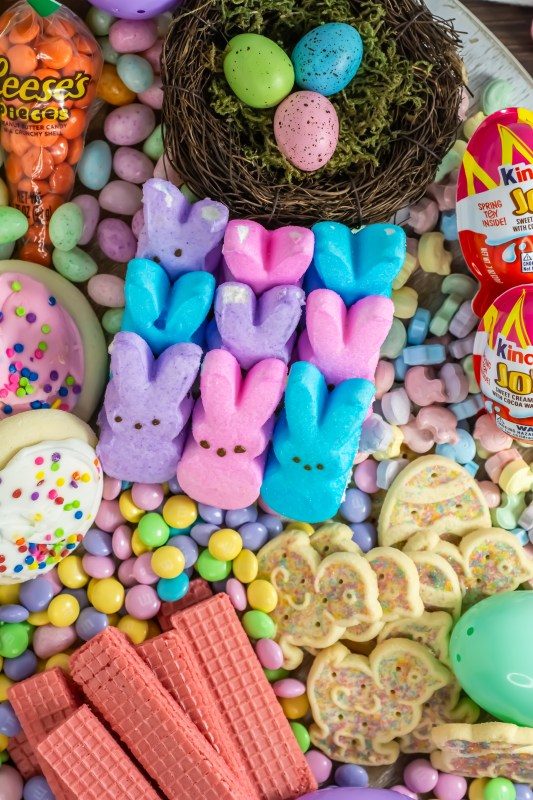
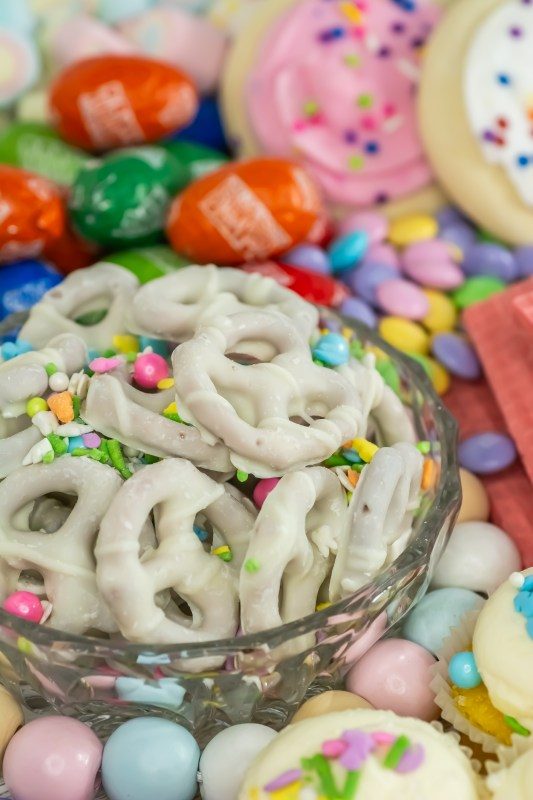
The best candies for an Easter board are those that offer variety in color, texture, and flavor, all while staying within a pastel palette. Classic picks include jelly beans for a bright, crunchy pastel bite; pastel sugar cookies for a soft, buttery chew; and Peeps in assorted colors for a marshmallow texture. For a tangy counterpoint, add Sweet Tart Easter candies, which bring a sour contrast to the sweetness. You can also include white chocolate-covered pretzels for a salty-sweet crunch, or strawberry wafer cookies for a light, crispy layer. Chocolate eggs or peanut butter eggs provide richness, while Easter-themed rice krispy treats and mini cupcakes offer substantial, decorated pieces. To make the board visually cohesive, stick to items in soft pastel shades—Easter M&M's, rainbow marshmallows, and pastel sprinkles all work well. The key is to choose items that sit nicely at room temperature without melting quickly, so opt for chocolates with stable coatings and avoid anything that might soften too fast. You can use store-bought treats or bake your own sugar cookies and cupcakes with pastel frosting. The selection should feel abundant and varied, so don't be afraid to include a mix of crunchy, chewy, and creamy options to keep every bite interesting.

Can I make an Easter candy board ahead of time?
Yes, you can assemble most of the board ahead of time, but you need to handle fresh baked items separately. Easter-decorated cookies and mini cupcakes should be baked or bought fresh and stored in airtight containers at room temperature until you're ready to serve; add them to the board within a few hours of guests arriving so they stay soft and appealing. Candies and chocolates, on the other hand, can be arranged on the board in advance and covered loosely with plastic wrap until serving time. Keep the full board in a cool place away from direct heat to prevent melting. If you're preparing everything the day before, place the board in a cool, dry area, and for the fresh items, store them in the fridge—they will keep well for up to two days. Any leftover treats after serving should be stored in airtight containers; fresh baked goods like cookies and cupcakes should be refrigerated and consumed within two days, while dry candies can be kept in the same airtight containers at room temperature. By planning ahead, you can enjoy the party without last-minute stress—just pull the board out, add the fresh items, and serve.
How can I make a healthier Easter candy board?
To make a healthier Easter candy board, swap out some of the sugar for naturally sweet or less processed options. Replace a portion of jelly beans with dried fruits, which add a chewy texture and natural sweetness. Use yogurt-covered pretzels instead of white chocolate-covered pretzels to reduce richness while keeping a similar crunch. Add granola bites for extra texture and fiber. You can also include fresh fruit like chocolate-covered strawberries or sliced bananas, which bring moisture and a bright pop of color—these balance out the sweetness and make the board feel more refreshing. For dipping, consider small bowls of yogurt, which can be paired with cookies or pretzels to add creaminess without relying on frosting. Even with these swaps, the board can still look festive if you keep a pastel palette: choose yogurt-covered raisins in pastel colors or opt for dried pineapple pieces. The key is balance—keep a few indulgent treats like chocolate eggs or Peeps, but let the fruit and yogurt take up more of the surface. This way, you get a visually appealing board that's a bit lighter and offers more variety in taste and texture, while still fitting the Easter theme.
How can I make an Easter board nut-free?
To make a nut-free Easter board, the most important step is to carefully read every label and avoid any candy that contains peanuts, almonds, or other tree nuts. Check each package individually, even for items that seem safe, because some chocolates or cookies may have hidden nut ingredients or be processed in facilities that handle nuts. Stick with nut-free chocolates and cookies to ensure safety. You can select plain chocolate eggs, Peeps, jelly beans, and pastel sugar cookies—just verify that each item you choose is nut-free. To complement the sweets, include fresh fruit like strawberries or sliced bananas, or small bowls of yogurt for dipping, which are naturally nut-free and add a fresh balance. When assembling the board, keep all nut-containing items off the board entirely, and double-check any store-bought items like granola bites or pretzels. It's also wise to place a small card near the board indicating which items are nut-free, especially if you're serving at a party where guests may have allergies. By taking these precautions, you can create a festive and safe Easter candy board that everyone can enjoy without worrying about cross-contamination.
What non-candy items can I add to an Easter charcuterie board?
Non-candy items can balance the sweetness of an Easter charcuterie board and add texture and variety. A great addition is fresh fruit like chocolate-covered strawberries, which offer a juicy, indulgent bite that contrasts with the sugary treats. Sliced bananas provide a creamy, soft element that pairs well with chocolate. You can also add small bowls of yogurt for dipping—this works especially well with cookies, pretzels, and marshmallows, giving guests a way to customize each bite. For extra crunch and a playful touch, include small bowls of colorful cereal, which adds both visual interest and a satisfying crunch. These non-candy items not only break up the monotony of sweets but also make the board feel more substantial and balanced. When placing them, you can use separate bowls to keep them contained and easy to reach, or arrange them directly on the board if they are sturdy enough. By mixing in these fresh and interactive components, you create a more dynamic board that appeals to both kids and adults, and you can even let guests dip cookies or fruit into the yogurt for a fun, hands-on experience.
Can I use this same board concept for other holidays?
Absolutely, the same Easter candy board concept can be adapted for other holidays with just a few simple changes. The assembly method remains exactly the same—start with large items as focal points, fill in medium-sized treats, and then use small candies to fill gaps. For Christmas, switch the color theme to red and green, and choose candies and cookies that match that palette, such as peppermint bark or red and green M&M's. For Halloween, go with orange and black, incorporating items like candy corn or chocolate eyeballs. For Valentine's Day, use red and pink with heart-shaped cookies and conversation hearts. The key is to change the color scheme and the types of treats you use to fit the occasion. You can reuse the same serving board and follow the same layering technique to create a professional-looking display. This concept is incredibly versatile—you can also adapt it for other celebrations like a baby shower or a birthday party by simply picking a theme and matching the colors and candies. Since no baking is required, it's an easy way to create a stunning centerpiece for any event, and you can mix and match store-bought or homemade items to suit your taste.