Pizza & Flatbreads
From Crackling Thin to Chewy Pan: 10 Dough Recipes for Every Pizza Texture
Dive into ten tested dough formulas, from quick thin-crust bases to slow-rise pan pies, each optimized for a distinct texture using specific flours, leaveners, and techniques.
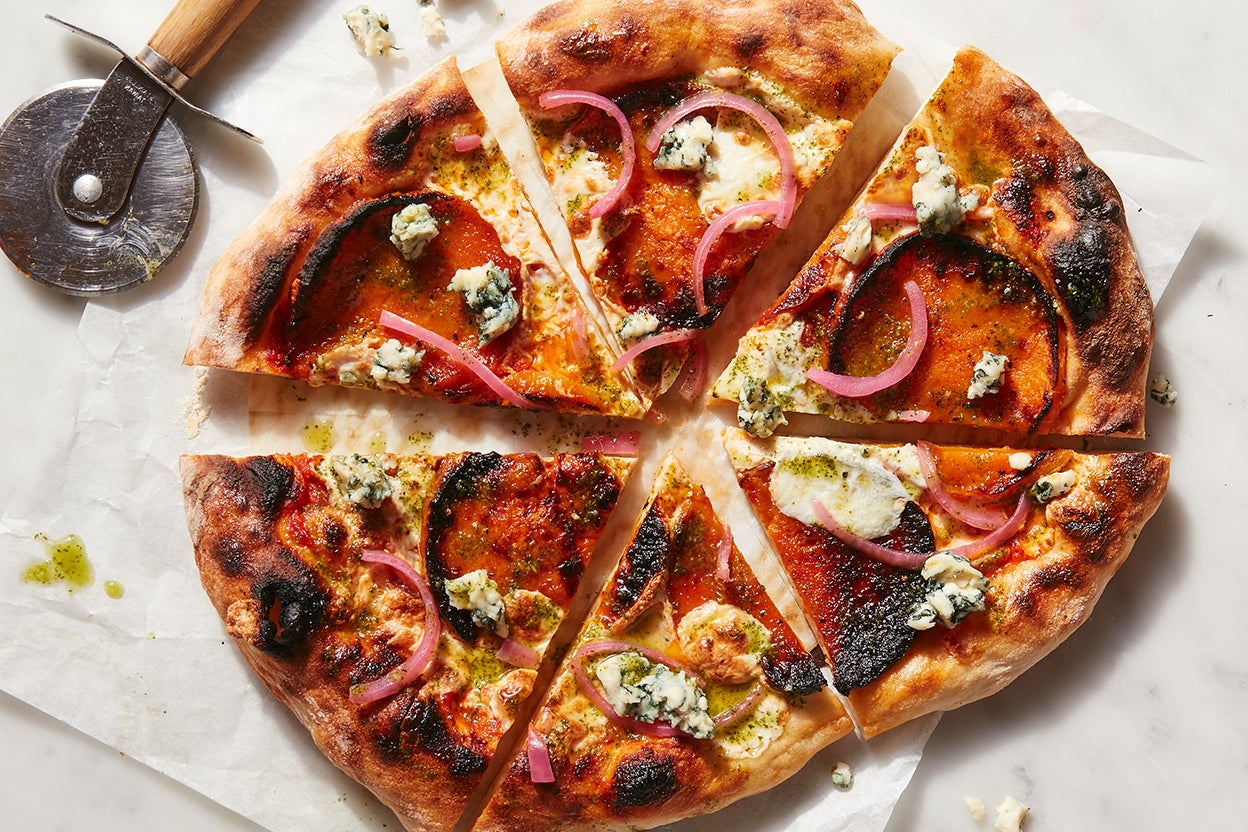
Super-Fast Thin-Crust Pizza Dough
This pizza dough comes together in under an hour, blending baking powder with SAF Red Instant Yeast for a rapid rise that yields an ultra-thin yet airy crust. The dual leaveners work quickly to create a base that bakes up mildly crunchy while remaining pliable, allowing it to fold easily without cracking. Because the crust is delicate, toppings should be minimal—think a light scatter of fresh mozzarella or a drizzle of chili oil; heavy layers risk causing the base to collapse. No specialized flour is needed; the recipe's speed relies on the combined action of both leaveners, which produce crispness without prolonged fermentation. To shape, roll the dough thinly on a floured surface, add toppings sparingly, and bake immediately for a satisfying snap. This approach prioritizes convenience, delivering a thin crust with a light texture that's ready for a quick meal.
Thin-Crust Pizza Dough
This classic recipe delivers crackly edges and a very slight puff using only yeast for leavening, paired with Italian-Style Flour for a tender yet crisp finish. The flour’s lower protein content—compared to bread flour—yields a dough that’s easy to stretch thin and bakes up in just over an hour, making it a practical weeknight option. Shape the dough to your preferred thinness, add a moderate layer of toppings like sliced sausage or caramelized onions, and bake on a preheated surface. The result is a sturdy base with a delicate crunch that holds up without becoming biscuit-like. For best results, avoid over-working the dough to maintain its airy structure, and watch carefully in the oven to prevent burning the thin edges.
New York-Style Pizza Dough
Emulating New York City's iconic street slices, this dough uses bread flour to create a thin, crispy crust that's foldable without sagging. The technique involves baking on a preheated baking steel in a very hot oven, which ensures a fully browned, slightly charred bottom reminiscent of twice-baked pies. The dough rests briefly to develop gluten strength, allowing it to stretch without tearing. When preparing, top it sparingly with tomato sauce and low-moisture mozzarella, and bake until the edges blister and the bottom is deeply browned. This method focuses on texture and structure, so the crust supports toppings without becoming soggy, delivering an authentic chew. The use of bread flour provides the necessary protein for a sturdy yet tender base that holds up to folding, making it ideal for New York-style pizza nights.
Light and Crispy Pizza Dough
This recipe balances fluffiness and crunch by incorporating both yeast and baking powder for rise, then baking on a preheated stone or steel to achieve a crisp exterior. The dual leavening system—yeast for slow fermentation and baking powder for immediate lift—creates air pockets that expand during baking. Easy Roll Dough Improver is included to enhance extensibility, allowing the dough to be rolled thin without springing back, resulting in a pliable base. Pre-heating the baking surface ensures rapid heat transfer, crisping the bottom while keeping the interior light. The crust can support a multitude of toppings—from broccoli florets to Italian sausage—without sacrificing texture. To prepare, mix the ingredients, knead briefly, rest the dough, then roll it out thinly before adding toppings and baking. This dough offers consistent results for home bakers, with a crisp crust that holds up under load.
Neapolitan-Style Pizza Dough
Crafted with fine-milled '00' Pizza Flour, this dough is easy to shape and transforms into a leopard-spotted, crispy-chewy crust with a notably thin center. The flour’s low gluten content allows for rapid stretching and blistering in high-heat ovens, mimicking the pies from Naples’ pizzerias like Da Michele. A gluten-free option exists by substituting with a blend of rice and tapioca flours, while a weeknight-friendly version speeds up the process with a shorter rise. For traditional results, let the dough ferment slowly at room temperature, then stretch it by hand into a 10-inch round. Top minimally with San Marzano tomatoes and fresh basil, and bake until the edges char and the center remains pliable. This dough demands precision but rewards with authentic flavor and texture.
Artisan No-Knead Pizza Dough
This no-knead approach yields a crust with a light, puffy outer edge and a thin-yet-sturdy center, showcasing the magic of high-protein bread flour. The dough rests in the refrigerator for up to six days, developing complex flavors and an airy crumb through slow fermentation. When ready, portion it out and let it warm slightly before shaping into a round. The pillowy texture—equal parts chewy and delicate—supports toppings like prosciutto or roasted garlic without becoming dense. To bake, use a pizza peel dusted with semolina to slide the dough onto a preheated baking stone; this ensures even cooking and a crisp bottom. The extended refrigeration allows flavors to deepen, and the dough can be prepared up to six days ahead. Any night can be Pizza Night.
The Easiest Pizza Dough You'll Ever Make
Designed for beginners, this dough incorporates olive oil for easy stretching and ample resting time to relax the gluten, resulting in a puffy, flavorful crust. Optional Pizza Dough Flavor—a blend of garlic powder and Parmesan—adds an extra savory punch. Using SAF Red Instant Yeast ensures a quick rise, so the dough is ready to bake in little over an hour. The olive oil tenderizes the dough, making it exceptionally pliable, while resting prevents shrinkage during shaping. Shape it gently into a 12-inch round, top with your favorite ingredients, and bake until golden. The crust’s airy structure holds up well to a variety of toppings, from simple Margherita to loaded vegetable pies. For execution, combine flour, yeast, water, and oil, knead until smooth, rest the dough as directed, then shape and bake. This approach guarantees a reliable, easy-to-handle dough for first-time bakers.
No-Knead Pan Pizza Dough
Leveraging Pizza Flour Blend for an airy, light crust, this no-knead dough adapts to different pan styles: an 11-inch deep dish pan for a taller, breadier base, or a 9x13-inch pan for a thinner, crispier bite. The dough ferments briefly at room temperature, then is pressed into an oiled pan and topped generously—mozzarella and Parmesan are recommended starting points. Baking in a hot oven creates a golden, crispy bottom layer. This method eliminates shaping stress, making it perfect for casual dinners. For added flavor, let the dough rest longer in the fridge, which enhances its tenderness. The final product is a versatile pan pizza that rivals takeout, with a crust that’s both sturdy and pillowy, suitable for a range of toppings.
Sicilian-Style Pizza Dough
This recipe produces a rectangular, half-sheet pan-sized pizza with a puffy, almost focaccia-like crust that’s sturdy enough for hearty toppings like onions and anchovies. Using High-Gluten Flour gives the dough exceptional elasticity, allowing it to rise high without collapsing. After mixing, let the dough proof directly in an oiled pan, then dimple it with your fingers before adding sauce and cheese. Bake until the edges are deeply golden and the center is fully cooked. The baked pizza is a crowd-pleasing pie with a thick, airy texture that absorbs flavors while maintaining structure. For authenticity, top with a simple tomato sauce and generous layers of low-moisture mozzarella, then bake until the cheese bubbles and browns. The half-sheet pan size makes it ideal for parties, and the focaccia-like crumb soaks up toppings beautifully.
Weeknight Detroit Pizza Dough
Tailored for thick-crust enthusiasts, this dough features a pillowy interior and ultra-crispy edges, achieved by baking in a specialized anodized Detroit-style pan—though a standard 9x13-inch pan works in a pinch. The recipe uses bread flour for chew and layers cheese directly on the dough before adding sauce on top, a hallmark of Detroit pies. For the signature crackly frico crust, press shredded cheese into the pan edges before baking. The dough bakes up with a golden, caramelized border and a soft center that holds toppings like pepperoni or mushrooms without sagging. This method delivers a satisfyingly thick pizza with complex textures, ideal for weeknight indulgence. The anodized pan helps create even heat distribution for consistent crispiness, and the bread flour ensures a chewy base that stands up to generous toppings.