Technique & Everyday Craft
The Produce Giant Behind a Month of Recall Alerts: What Taylor Farms' 2026 Outbreaks Mean for Your Kitchen
Two major recalls in under a month have put the massive salad kit supplier under a microscope, and its history suggests a pattern home cooks need to understand.
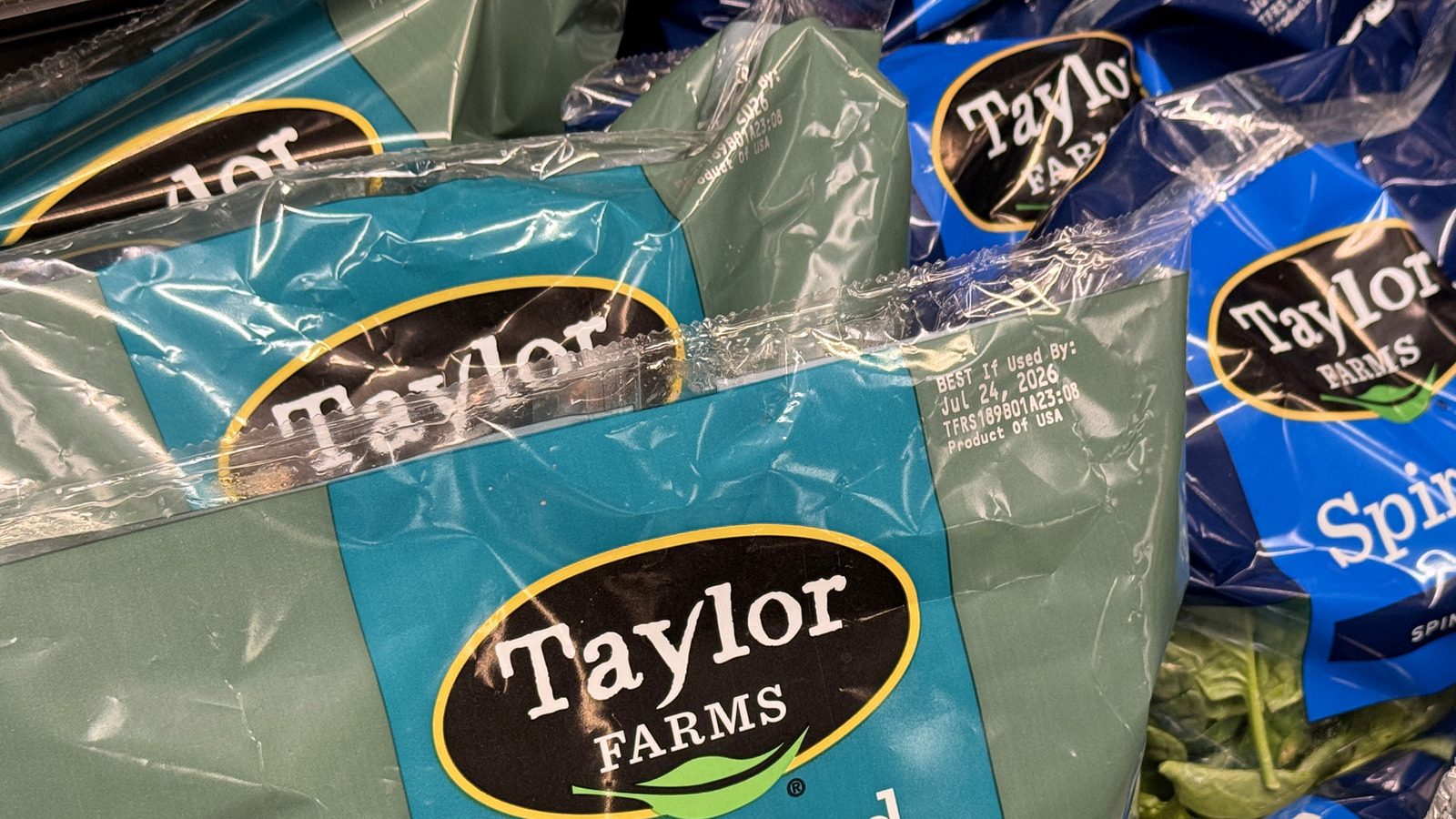
A One-Two Punch in the Produce Aisle
In less than thirty days during the summer of 2026, Taylor Farms faced two separate multi-state food safety investigations. The first, initiated on July 17, involved a Cyclospora outbreak linked to iceberg lettuce distributed to 27 states. The FDA's most recent update on August 5 reported illnesses in 15 states. Before that investigation concluded, the company voluntarily recalled products containing fresh jalapeños over potential salmonella contamination. Those peppers had been shipped to 26 states and were sold at Target, Kroger, and Trader Joe's, among others, in items like prepared salads, burritos, guacamole, and pico de gallo.
When a Single Ingredient Becomes a Nationwide Problem
The 2026 jalapeño recall demonstrates how a single component can pull an entire product line into a recall. The FDA listed items containing the potentially contaminated peppers, which included pre-packaged meals and fresh salsas found in refrigerated sections. The scale of the distribution network meant that a shopper in one state could purchase a tainted product under one brand name, while a shopper hundreds of miles away bought the same ingredient in a completely different package. This is a defining characteristic of the modern produce supply chain, where a single farm or processing facility can supply countless private labels. For the home cook, this means that following a recall notice requires checking not just for the Taylor Farms name, but for the specific UPC codes and product descriptions listed by the FDA, since the affected items often appear under retailer-specific branding.
A Familiar Pattern: The 2024 McDonald's Onion Crisis
This year's recalls were not anomalies but rather the latest in a series of incidents for the salad giant. In 2024, Taylor Farms was the supplier of slivered yellow onions implicated in an E. coli outbreak that sickened 104 people across 14 states. The onions were used on McDonald's Quarter Pounders, a connection that became public almost immediately as the fast-food chain pulled the sandwiches from menus in affected regions. McDonald's quickly ceased using the onions and eventually switched suppliers, but the incident underscored how vulnerable a single restaurant chain's national menu is to contamination at a single produce farm. The FDA's investigation pointed to Taylor Farms as the distributor of the affected onions, placing the company squarely in the middle of one of the most high-profile foodborne illness cases of that year.
The Costco Connection and a 2015 Outbreak
In 2015, a Taylor Farms diced onion and celery blend used in Costco's Kirkland Signature Chicken Salad with Rotisserie Chicken was implicated in an E. coli outbreak. Nineteen people across seven states fell ill, and most reported having eaten the chicken salad in the week before their symptoms began.
Behind the Store Brands: Who Actually Grows Your Salad
The company's reach extends far beyond its own branded bags of lettuce. Taylor Farms is a major behind-the-scenes supplier for several of the largest grocery chains in the country, often providing the produce that is sold under the stores' own private labels. Walmart's Marketside brand, which focuses on fresh, ready-to-eat items, is said to alternate its sourcing between Taylor Farms and Dole for its salad kits and pre-cut produce. Several Walmart lettuce-containing Marketside products were specifically named in the 2026 Cyclospora recall. Similarly, Kroger employees have noted on public forums that the company's pre-packaged vegetables, including bagged salad mixes, are predominantly supplied by Taylor Farms, with deliveries arriving in boxes bearing the Taylor Farms name. Target's Good & Gather chopped salad kits are also commonly reported to use Taylor Farms produce.
How to Handle Your Salad Greens Right Now
Given the reach of the company, the most effective strategy for a home cook is to check the FDA recall list before discarding anything. For the 2026 Cyclospora outbreak, the affected iceberg lettuce and bagged salad mixes have long passed their expiration dates, meaning the contaminated product should no longer be on store shelves. The more practical task is understanding the labels. For the jalapeño recall, the affected products included specific items under brands like Marketside and Good & Gather. The FDA's guidance was clear: dispose of the product immediately or return it to the retailer for a refund. For ongoing investigations, checking the FDA's website for the most recent updates is the only way to ensure you have the current list of affected UPCs and sell-by dates. Rinsing pre-washed greens at home does not eliminate pathogens like Cyclospora, so vigilance with the recall list is the only reliable defense.