Technique & Everyday Craft
Why Ko-ume Beats Regular Umeboshi in Your Onigiri
From choosing the crunchy small plum to shaping a triangle that holds, here are the answers to the most-asked questions about making salted plum rice balls.
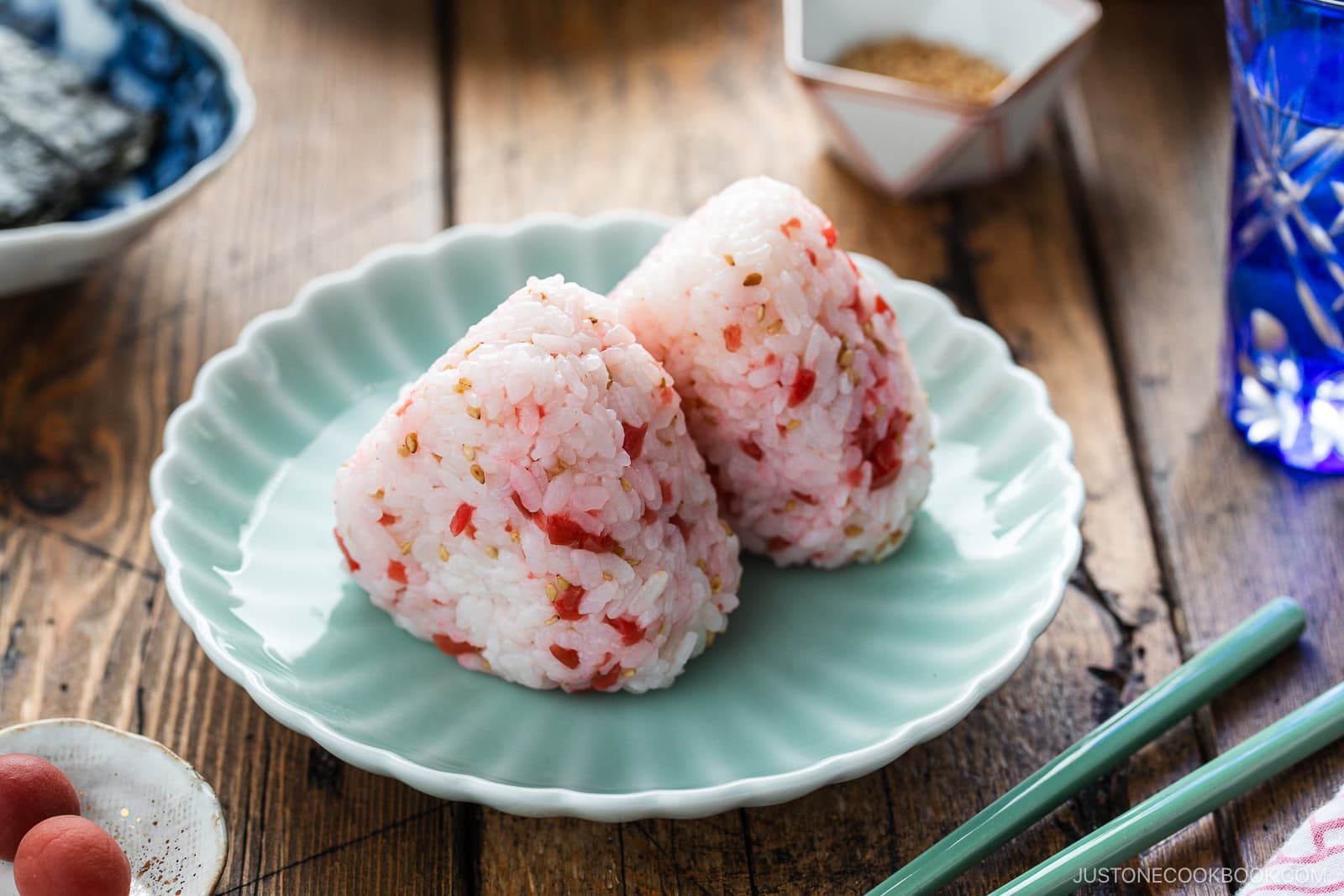
What is umeboshi onigiri?
Umeboshi onigiri is a classic Japanese rice ball filled with umeboshi, the salted pickled plum. The name splits into ume (plum) and boshi (dried), while onigiri simply means rice ball. The version popularized by Midnight Diner uses ko-ume—a smaller, firmer, crunchier type of pickled plum—minced and folded into the rice so every bite carries a salty, tangy jolt. The rice is seasoned only with salt and toasted white sesame seeds, then wrapped in a strip of nori. A standard batch builds from 4⅓ cups of cooked Japanese short-grain rice (made from 1½ cups uncooked), 3.5 ounces of ko-ume, and 2 tablespoons of sesame seeds, yielding 8 triangles. The plum’s salt and acidity also make the onigiri safe at room temperature for hours, which is why it became a bento staple.
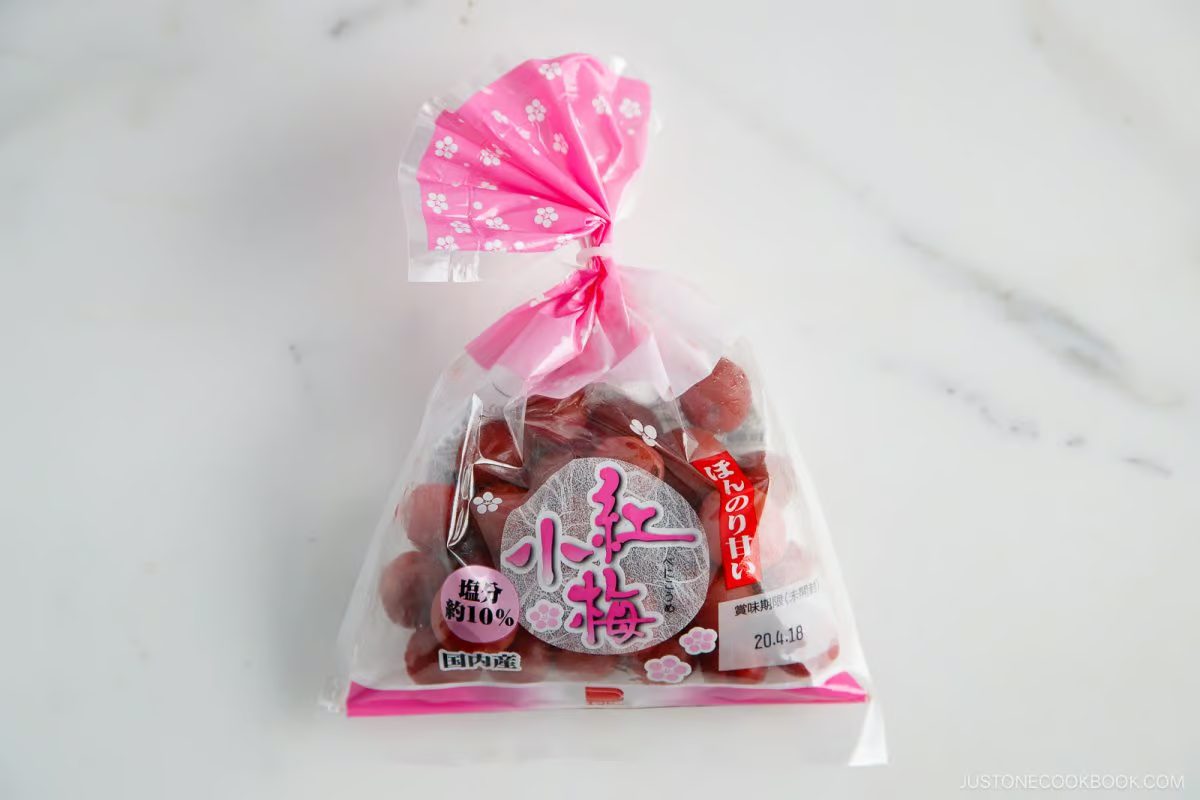
What kind of pickled plum should I use—ko-ume or regular umeboshi?
Use ko-ume if you can find it. Ko-ume are small plums that stay firm and crunchy even after pickling; regular umeboshi turn soft and wrinkled. That crunch matters because ko-ume, when finely minced, keeps its texture folded into the rice, while soft umeboshi turn into a paste. Look for ko-ume online at Nihon Ichiban, or check a Japanese grocer. If you use regular umeboshi, expect a softer, more uniform spread—still good, just different. Low-sodium versions of either type are available for a milder bite. Some brands add artificial red coloring (often from shiso) to make the plum a bright pink; you can find naturally colored ones if that matters. For the Midnight Diner recipe, you'll need 3.5 ounces of plums, seeds removed.
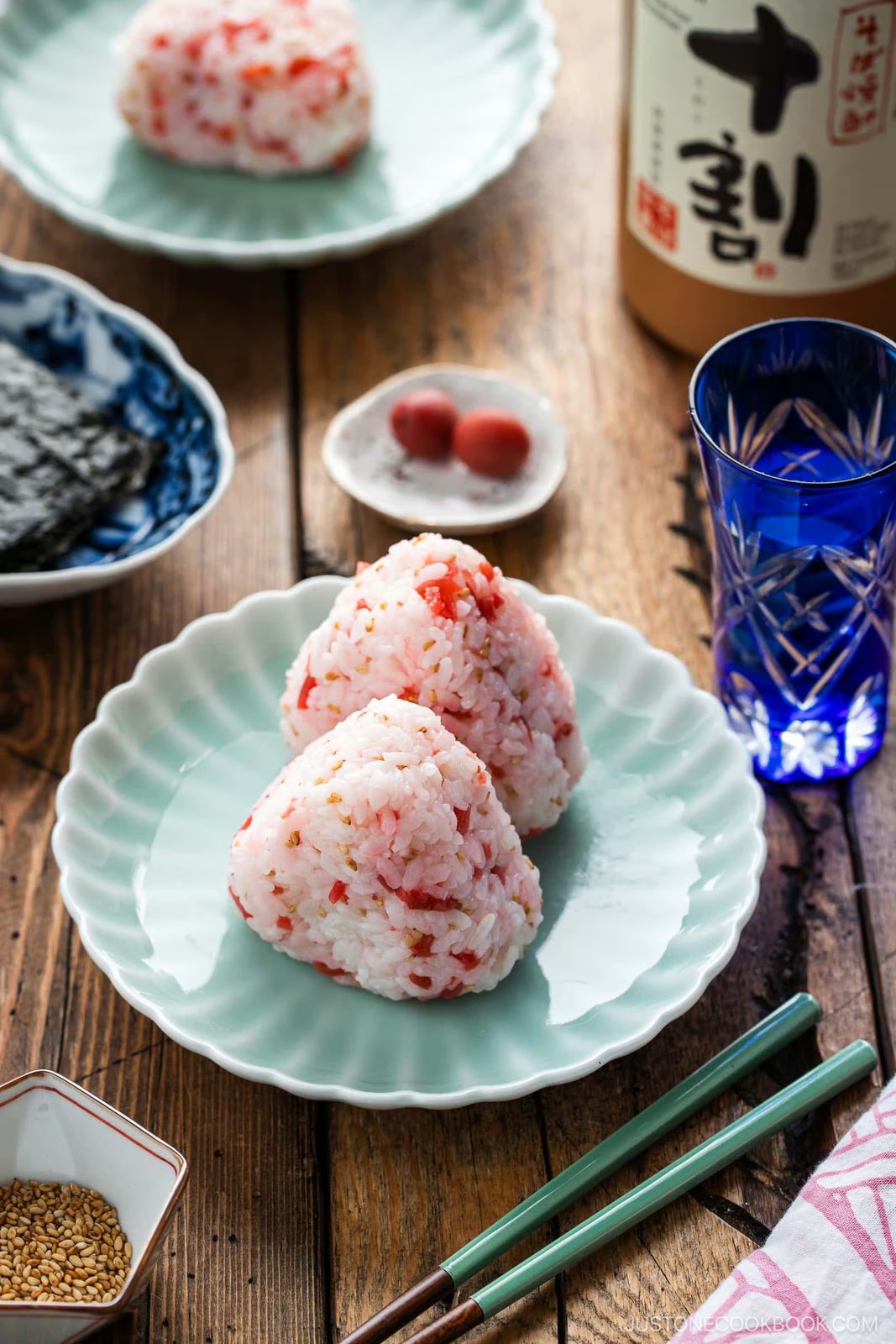
How do I keep my onigiri from falling apart?
Start with warm, freshly cooked Japanese short-grain rice. Cold rice loses its stickiness, so shape while it’s still comfortably warm. Fold in the minced plum and sesame seeds with a cutting motion—never stir, which squashes the grains and makes the rice mushy. Wet your hands with water and rub a pinch of kosher salt between your palms; that salt layer prevents the rice from sticking to you. Scoop one portion (about a quarter-cup per ball) into your palm, keep it cupped, and use the fingers of the other hand to press it into a triangle, rotating to form three firm corners. Squeeze gently—overpacking turns the rice dense and dry. If shaping by hand feels awkward, use an onigiri mold or even plastic wrap. The goal is a loosely packed triangle that holds its shape when you lift it.
Can I make umeboshi onigiri ahead of time? How do I store and reheat them?
Yes, but follow strict rules for texture and safety. Fresh onigiri stay good at a cool room temperature between 61–68°F (16–20°C) for 6–8 hours—the salt and sour plum inhibit bacterial growth. Refrigerating hardens the rice, so if you must refrigerate, wrap each ball in a thick kitchen towel to insulate the grains. For longer storage, freeze them: wrap each rice ball tightly in plastic wrap, place in an airtight freezer bag, and freeze for up to 1 month. To reheat from frozen, put the onigiri on a plate, cover with a damp paper towel, and microwave for 1½–2 minutes (some microwaves need up to 3 minutes) until warmed through. You can also prep components ahead: rinse and soak the rice earlier in the day, then cook it an hour before shaping; mince the plums a day in advance and refrigerate.
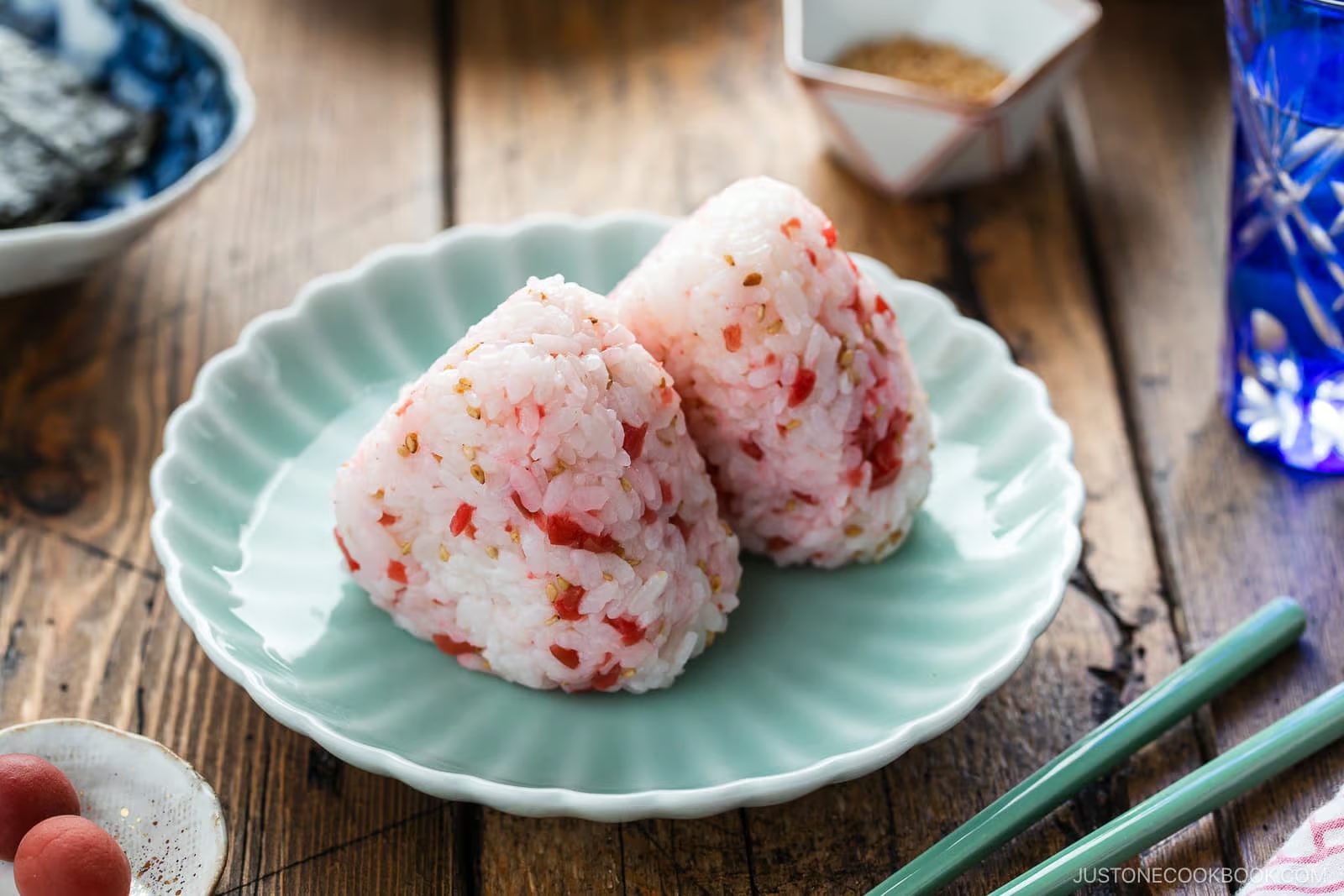
Is umeboshi onigiri vegan?
Yes, umeboshi onigiri is naturally vegan. The four ingredients—cooked Japanese short-grain rice, pickled plums (specifically ko-ume, the small firm variety), toasted white sesame seeds, and nori—are all plant-based. The recipe calls for mincing the plums and folding them into the warm rice along with the sesame seeds, which distributes the salty, tangy flavor throughout each bite. The rice should be freshly steamed and still warm to hold its shape when pressed into triangles. After shaping, each rice ball is wrapped with a strip of nori. One batch makes eight rice balls from 4⅓ cups of cooked rice. Because the salt and sour plum act as natural preservatives, these onigiri can stay safely at a cool room temperature (61–68°F) for up to 6–8 hours, making them a practical vegan lunch to pack. Refrigerating is not recommended because it hardens the rice, so keep them at a cool room temperature instead. With only these plant-based components, the onigiri is a simple, satisfying snack that avoids animal products entirely.
What should I serve with umeboshi onigiri?
Serve umeboshi onigiri on its own or as part of a balanced meal. A classic pairing is Japanese green tea, whose light bitterness contrasts with the plum’s salty, tangy filling. For a bento, add tamagoyaki, a sweet-savory rolled omelette that contributes protein and color. If you want a heartier lunch, include karaage—Japanese fried chicken—and the pickled plum’s acidity will cut through the richness. Another satisfying option is ochazuke: place a rice ball in a bowl and pour hot dashi or green tea over it, letting the seasoned liquid soften the rice and blend with the plum. To keep the nori at its best, wrap the rice ball with a strip of nori only after shaping it, because the seaweed is cut into thirds and can be placed neatly over the triangle. The onigiri is meant to be eaten warm or at room temperature, so you can prepare it ahead and let it sit briefly. With these combinations, the plum rice ball becomes a versatile component of a Japanese-style meal.
Should I mince the plums or use them whole?
Mincing the plums is the way to recreate the Midnight Diner version. The ko-ume are small and firm, so finely chopping them gives every bite a crunchy, tangy hit. If you prefer a more traditional presentation, leave one small ume whole and press it into the center of the rice ball; as you eat, you'll encounter the whole plum's texture and sourness. Ko-ume are small enough that one fits neatly inside a triangle. Soft regular umeboshi are harder to mince because they turn pasty; they are better used whole. For either method, remove the seed first. Also consider that mincing allows the plum's salt to season the rice evenly, while a whole plum concentrates its flavor in one spot. The recipe's yield of eight rice balls means you'll need eight plums if using them whole—each one small enough to be hidden in the center. You decide between an even distribution of crunch and a pronounced burst in each bite.