Technique & Everyday Craft
The Unseen Starch Explosion: How Over-Mashing Ruins Potatoes and the Ricer That Saves Them
Henry Johnson of Palladino's in Dallas explains why over-mashing is irreversible and how a ricer plus warm dairy keeps spuds fluffy.
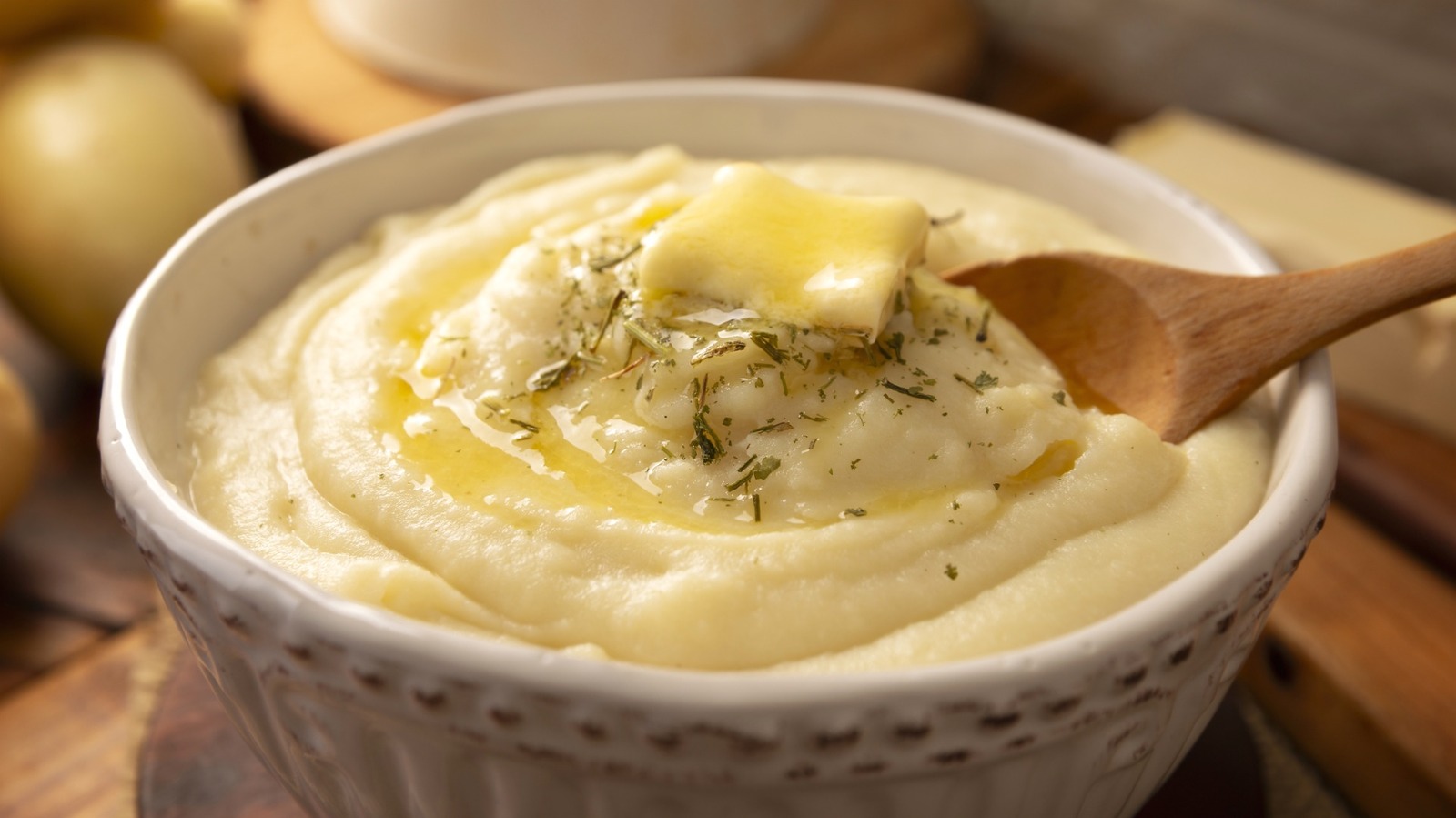
The Tool That Gently Squeezes Instead of Crushing
Henry Johnson, chef de cuisine at Palladino's Steak & Seafood in Dallas, has a simple answer for anyone who keeps producing gummy mashed potatoes: stop crushing and start squeezing. A potato ricer pushes cooked potatoes through tiny holes, and Johnson says that gentle pressure is the whole difference. "It gently pushes the potatoes through tiny holes, therefore reducing the amount of friction or pressure as to not aggressively release the starch," he explains. The tool is modestly priced, but Johnson advises against picking one up at a grocery store, where kitchen gadgets carry a markup. He suggests buying online or from a dedicated culinary outlet. The ricer's real advantage is that it does the work without demanding you apply the kind of force a hand masher does. That alone can spare you the gluey mess before you've even thought about dairy.
The Science of an Exploding Starch Cell
The problem begins before you touch the potatoes. During cooking, starch cells expand and absorb water, Johnson says. Then, when you start mashing, those cells become activated. If you're too aggressive with your masher or your enthusiasm, the starches "explode, so to speak," and the potatoes turn to a tacky, glue-like paste. The tricky part is that smoothness isn't a reliable indicator. Potatoes can look perfectly silky and still be gluey, because the damage is at the cellular level. Johnson notes that even if you've chosen the right potato variety for fluffy results, over-mashing will undo everything. So while you might be tempted to keep mixing until the lumps are gone, that's exactly the moment the starch is breaking down. Once you've pressed the potato past its structural limit, no amount of cream or butter can rebuild the fluffy texture you were after.
Warm Dairy, Gentle Fold
Johnson's second rule is to change how you introduce fat. Instead of combining cold butter and milk into the potatoes while mashing, warm your butter and cream first. Then, use a spatula to fold them in rather than mixing vigorously. The warmth matters because cold dairy forces you to work the potatoes longer to incorporate it, which invites more starch agitation. A spatula gives you a light fold that slides through the potatoes without pressing them together. Johnson specifies this as part of the same method that guarantees fluffy results. The order matters: first rice the potatoes, then warm the dairy, then fold. This sequence keeps the starch from ever reaching the point of over-activation. You might be tempted to use a stand mixer, but that's exactly the kind of aggressive machinery that turns perfectly riced spuds into wallpaper paste.
When It's Too Late: The Adhesive Rescue
If you do over-mash, there's no going back. Johnson puts it bluntly: "Once you over-mash/work your potatoes and they become gluey, you are at the point of no return." You can't add more butter or milk to smooth them out; the starch has already released. Instead, Johnson suggests a cannier use: treat the batch as a strong adhesive. Cooked, over-worked potato starch is a legitimate paste. He says you can use it for crafting projects where you need something to bond materials together. It's a tongue-in-cheek tip, but it underscores how dramatically the texture changes. The same process that makes a potato glaze into glue also makes it a useful DIY cement — though you probably won't want to serve it on your holiday table.
Slow and Steady Wins the Spud
The overarching advice from Johnson is to slow down. "Slow and steady/gentle is the key here," he says, comparing the treatment to a show-stopping protein. You wouldn't rush a perfect steak by pounding it flat; a potato deserves the same patience. That means ricing, not smashing, and folding, not beating. Johnson's method asks you to think about what's happening inside each starch cell rather than just the visual smoothness of the final dish. Once you honor that, the payoff is a bowl of mashed potatoes that stays fluffy even after the butter melts into it. If you can resist the urge to over-work, you'll never need to find out what your mashed potatoes are good for besides eating — and that's the best outcome.