Technique & Everyday Craft
Specialty Coffee's Old Pricing Logic Can't Keep Up With Its Experimental New Frontiers
From Ethiopian co-fermentation and the 120-hour anaerobic price gap to China's 53-country import framework and Gaoqiao's 30% direct-trade saving—plus Colombia's experimental boom, genetics, and a push for standardization—the commercial terrain is stretching beyond what traditional price models can explain.
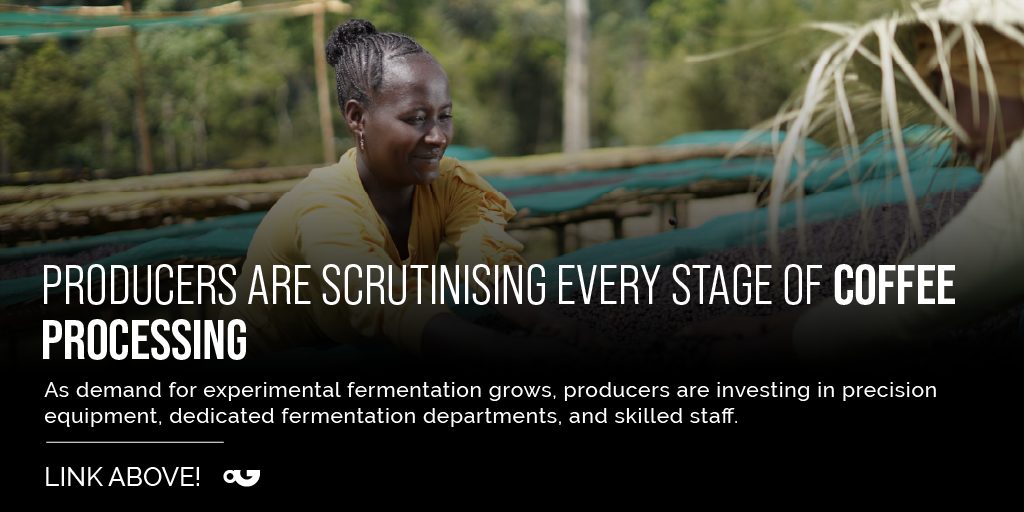
Co-fermentation finds a foothold in Ethiopia
Eliyas Dukamo, a producer in Ethiopia's Sidama region, claims his operation is among the pioneers of co-fermentation in the country. He works with Fredrick Bejo of Archers Coffee, who has guided the approach. Co-fermentation adds fruit or other organic substrates that interact with the mucilage, altering microbial activity and shaping flavour. Dukamo describes the practice as a blend of science, client feedback, and experimentation, but acknowledges it carries significant risks: 'Without strict operational control and expertise, all the meticulous effort poured into the harvest can completely collapse during the final stages.' He also notes that while every experimental micro-lot behaves differently and results can be surprising, the method demands heavy investment in equipment and infrastructure. Even failed experiments, he says, are learning experiences, but the commercial stakes are high, and the success of a lot depends on precise tracking of 30 to 40 micro-lots from farm to dry mill.
The 120-hour anaerobic price gap
Rodolfo Ruffatti Batlle, a coffee producer and importer from El Salvador and Managing Director of Sapere.Coffee, has watched buyer behaviour shift with processing. 'With the same Red Bourbon, if I do a 120-hour anaerobic natural fermentation, people will buy it immediately,' he says. 'When the same coffee is washed, people aren't always willing to pay as much.' His family has been milling and processing coffee for more than 100 years, and he saw production from an industrial lens: 'huge patios, professional staff, and the mechanics of farm operations.' The premium on experimental processing comes with risk. 'You're consciously taking on more risk doing more funky fermentations,' he acknowledges. The same bean, transformed by fermentation, commands a different market altogether — a gap that shows processing has moved from post-harvest routine to commercial strategy.
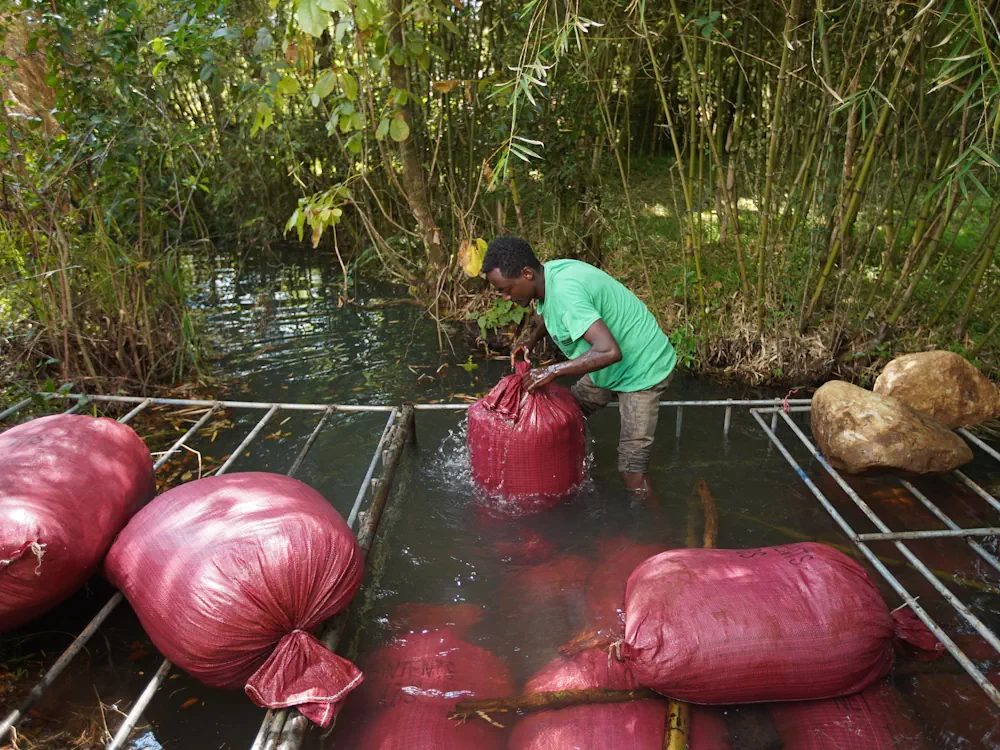
China opens its border to coffee from 53 African countries
China's General Administration of Customs will permit coffee bean imports from all 53 African countries that maintain friendly diplomatic relations with Beijing, effective July 20, 2026. The continent-wide framework replaces country-by-country quarantine agreements with unified phytosanitary requirements, following a full assessment of coffee bean production systems and pest control frameworks in Africa. Burundi and Ethiopia already had export approval; Angola, Guinea, Liberia, Mauritius, São Tomé and Principe, and Togo have submitted applications. Coffee beans are the second category of African agricultural products to receive full quarantine access, after dried chilies. All shipments must still comply with GAC Announcement No. 68 of 2026 border inspection requirements. The unified framework simplifies what was a patchwork of bilateral negotiations, and the 'green channel' accelerates approvals rather than waiving inspections.
Micro-lot tracking from farm to dry mill
At Elto Coffee in Ethiopia's Sidama region, fermentation is a dedicated department with its own staff, precision tools, and carefully organised processing spaces. The operation tracks 30 to 40 distinct micro-lots from farm level to the dry mill in Addis Ababa. 'Having knowledgeable people and a highly organised processing space is critical because we manage incredibly small, delicate volumes,' says founder Eliyas Dukamo. The capital investment in specialised equipment provides a competitive edge and demonstrates rigorous quality control. 'This transparency builds huge trust, giving them the confidence to purchase our coffee because they know our protocols are reliable,' Dukamo adds. Eliyas says his operation is among the pioneers of co-fermentation in Ethiopia, working with partner Fredrick Bejo to embrace these new methodologies.
Direct trade through Gaoqiao cuts costs by 30%
China's Gaoqiao Grand Market, a large beverages and food sales market in Hunan Province, operates an African coffee trade center that lets Chinese buyers purchase directly from African farmers. By circumventing European and North American middlemen, the channel cuts costs by up to 30%. The direct-trade model gives African exporters easier market access while offering Chinese buyers a stable, traceable specialty coffee supply. The center was established as rising local demand for premium, fruit-flavored Arabica and bold Robusta coffee turned China from a historically tea-drinking nation into a significant coffee buyer. Foreign Ministry spokeswoman Mao Ning says the zero-tariff policy for the 53 African countries reflects 'China's approach to Africa based on sincerity, real results, amity, and good faith, as well as its commitment to pursuing the greater good and shared interests.'
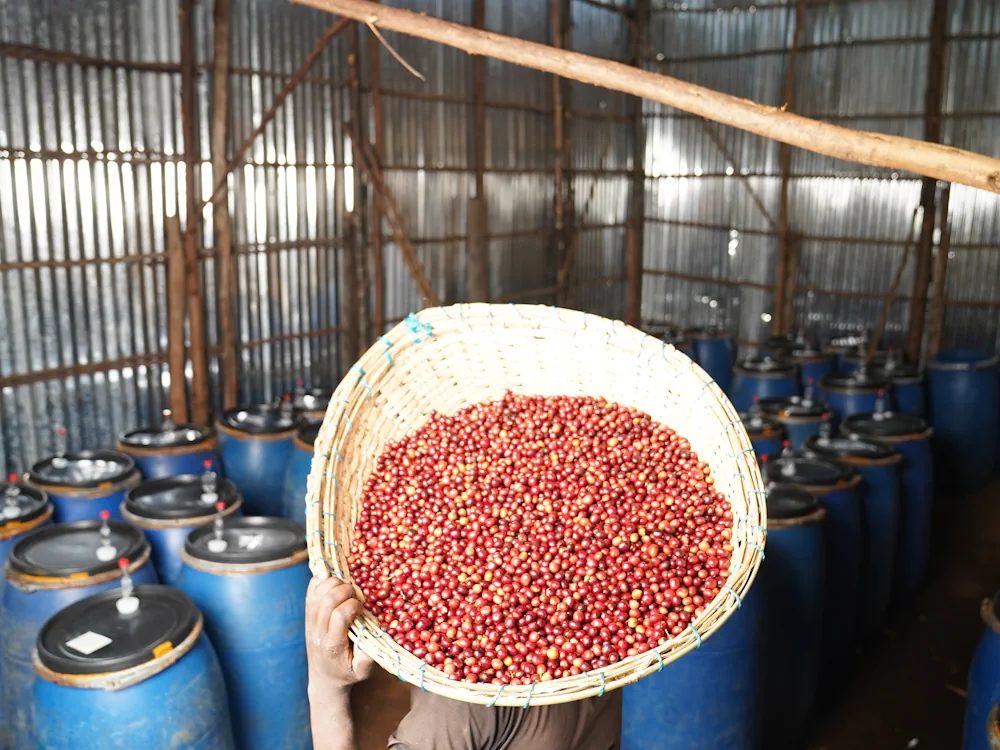
The economics of experimental processing
Experimental processing offers a clear trade-off between premium and risk. Rodolfo Ruffatti Batlle, a producer and importer from El Salvador, says specialty buyers will pay immediately for a 120-hour anaerobic natural fermentation of Red Bourbon, while the same coffee washed does not command the same price. He also explains that because El Salvador's coffee grows at lower elevations and in a dry climate, processing helps develop flavour compounds that would otherwise be lacking. However, advanced fermentation requires significant capital investment in specialised equipment and a highly organised processing space. Eliyas Dukamo of Elto Coffee notes that dedicated departments and precision tools are essential, and that without strict operational control, the entire harvest can collapse. Buyers also have limits: Rodolfo points out that there is 'a certain place where you stop' when fermentations become too funky. Producers must therefore balance innovation with discipline, as the risk of failure rises with every added step.
Colombia's experimental processing explosion
Colombia has established itself as a global centre for experimental processing, alongside its reputation for exceptional washed coffees. The country pioneered techniques such as lactic and koji fermentation and now drives the fast-growing co-ferment category. Rodolfo Ruffatti Batlle, who started buying coffee there around 2016, says the shift was sudden: 'From that period onwards in Colombia, it suddenly exploded.' The new methods—anaerobic fermentation, carbonic maceration, and co-ferments—have become central to producer operations, with customers seeking bold, distinctive flavours. However, these experimental profiles are not easy to execute. Advanced fermentation requires high levels of precision and control; small variations at any stage can alter the final cup. Producers must invest heavily in specialised equipment and maintain strict monitoring of every micro-lot. Eliyas Dukamo, a producer in Ethiopia who has adopted these methodologies, points out that his operation tracks 30 to 40 distinct micro-lots from farm to dry mill, and without knowledgeable staff and an organised space, the effort can collapse. The spread of Colombia's innovations eastward is thus accompanied by a demand for expertise. Precision commands premiums, but only for those who can manage the risks.
Genetics, the post-processing frontier
Genetics, not fermentation, may be the next frontier in coffee flavour development, argues Rodolfo Ruffatti Batlle. El Salvador's coffee grows at lower elevations in a dry climate, so beans 'don't develop the full secondary metabolites that create flavour' — processing helps, but genetics act earlier in the chain. 'Specialty coffee buyers really value floral flavours, so it's very important to introduce floral characteristics into rust-resistant varieties, and that's what we're doing,' he notes. The breeding goal is for coffees to remain resilient in tougher climates while retaining desirable flavour attributes, so the cup character doesn't depend entirely on fermentation after harvest. It's a different kind of investment from the fermenters and monitoring equipment driving experimental processing, and it matters as experimental methods standardise: if floral and fruity notes come from the plant itself, producers gain options beyond fermentation protocols.
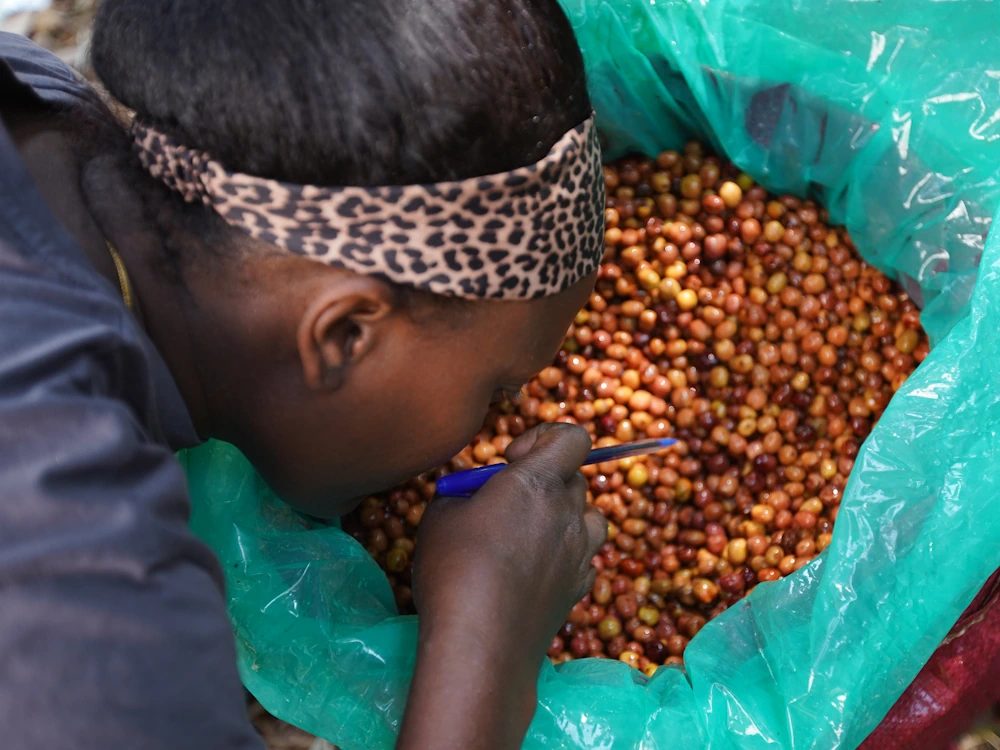
Experimental processing moves toward standardization
Experimental processing will not fade into a niche, says Eliyas Dukamo: it will mature, standardise, and define new categories. 'Experimental processing is not a temporary trend. It will continue to mature,' he says. 'Over the next few years, we will see these advanced methodologies become more refined and standardised, introducing even more precise, innovative flavour experiences to speciality coffee.' Classic washed and natural coffees are likely to remain widely popular; their balance and intentional precision make them less susceptible to marketing trends. As methods formalise into clearer categories, customers get better-defined flavour expectations, while producers get a stable framework for investment. The producers who succeed are not those chasing novelty for its own sake, but those who pair it with the infrastructure, expertise, and discipline to deliver it reliably.